
A TORCH DINNER
From Airwaves to Algorithms: Public Media’s Next Chapter
When Anthony V. Hayes addresses the Saratoga Torch Club on June 22, he will speak from the vantage point of a leader working at the intersection of media, technology, and public trust. As President and CEO of WMHT Public Media, Hayes oversees an institution long associated with educational programming, cultural enrichment, and regional storytelling. Yet his role today extends beyond traditional broadcasting, as public media organizations nationwide adapt to audiences who encounter information through streaming platforms, social media, and on-demand formats rather than scheduled television or radio.
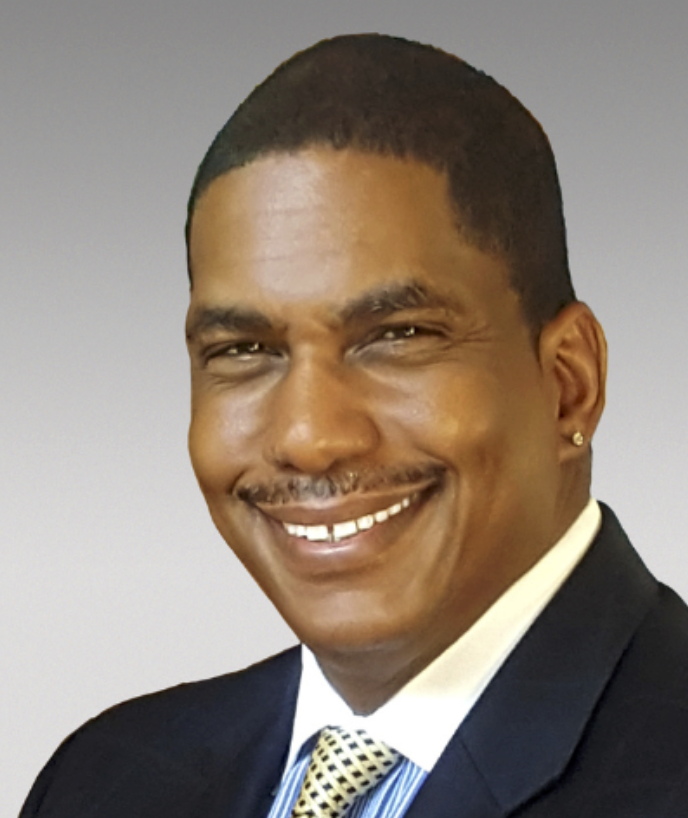
Hayes brings to this conversation a career shaped by the evolving landscape of communications. His work has focused on how media institutions can preserve their public-service mission while embracing digital innovation and expanding audience engagement. This dual challenge—maintaining credibility while reinventing delivery—lies at the heart of the transformation facing public broadcasters across the country. Under his leadership, WMHT has continued to explore new partnerships, new storytelling formats, and new ways of reaching communities that expect information to be both accessible and trustworthy.
In his talk, Hayes will examine how public media can remain a stabilizing civic presence at a time when shared sources of information are fragmenting. He is expected to reflect on how local programming, educational outreach, and regional collaborations help build the connective tissue of community life. By emphasizing regional voices and public participation, he argues, public media can do more than inform; it can help communities understand themselves and one another.
His remarks will also address the broader responsibility public media bears in strengthening democratic culture. Institutions like WMHT serve not only as content providers but as conveners of conversation, curators of cultural memory, and platforms for diverse perspectives. Hayes will explore how these roles evolve in a media environment increasingly shaped by algorithms and commercial incentives, and what it takes for a public broadcaster to sustain relevance without sacrificing independence.
For members of the Saratoga Torch Club, Hayes’s presentation offers an opportunity to reflect on how media institutions influence civic life at the regional level. His perspective underscores that the future of public media will depend not only on technology but on the continued engagement of the communities it serves. By considering the balance between innovation and public responsibility, his talk promises to illuminate the challenges—and possibilities—facing one of our most important civic institutions.
Smartacus Wonders
1. Public media has long been trusted as a shared civic resource, yet audiences now encounter information in fragmented digital spaces. What do you see as the most important steps WMHT and similar institutions must take to remain a trusted common ground for the communities they serve?
2. You’ve emphasized the challenge of preserving a public-service mission while embracing new platforms and technologies. How do you decide which innovations genuinely deepen public engagement, and which risk diluting the distinctive role of public media?
3. Local storytelling has always been a hallmark of public broadcasting. In a media environment dominated by national narratives and algorithm-driven feeds, how can regional institutions like WMHT ensure that local voices and histories remain visible and influential?
4. Public media often acts not just as a broadcaster but as a convener of civic conversation. What responsibilities do you believe organizations like WMHT have in fostering informed dialogue, especially at a time when public discourse can feel polarized or distrustful?
5. Looking ahead five to ten years, what would success for public media look like in your view — not simply in terms of audience size or technology, but in terms of its contribution to democratic culture and community life?
To Join Us for Dinner Before the Presentation
Dinner will be at the Saratoga Springs Holiday Inn starting with a cash bar at 5:30 p.m. $40 payable by cash or check at the door. To make a reservation, email Richard Lynch at torchman999@gmail.com.
Thanks to the Smartacus Story Accelerator