
A Civic Conversation in Zoom
Washington and Saratoga: It’s Complicated
We’ve invited John Oliver to join us for Monday’s night Civic Conversation in Zoom—not the British comedian John Oliver, but the former speechwriter for the House of Seagram and vice president for corporate communications at GE Capital John Oliver who has had a lifelong fascination with American history and especially the myths we believe about America’s founding.
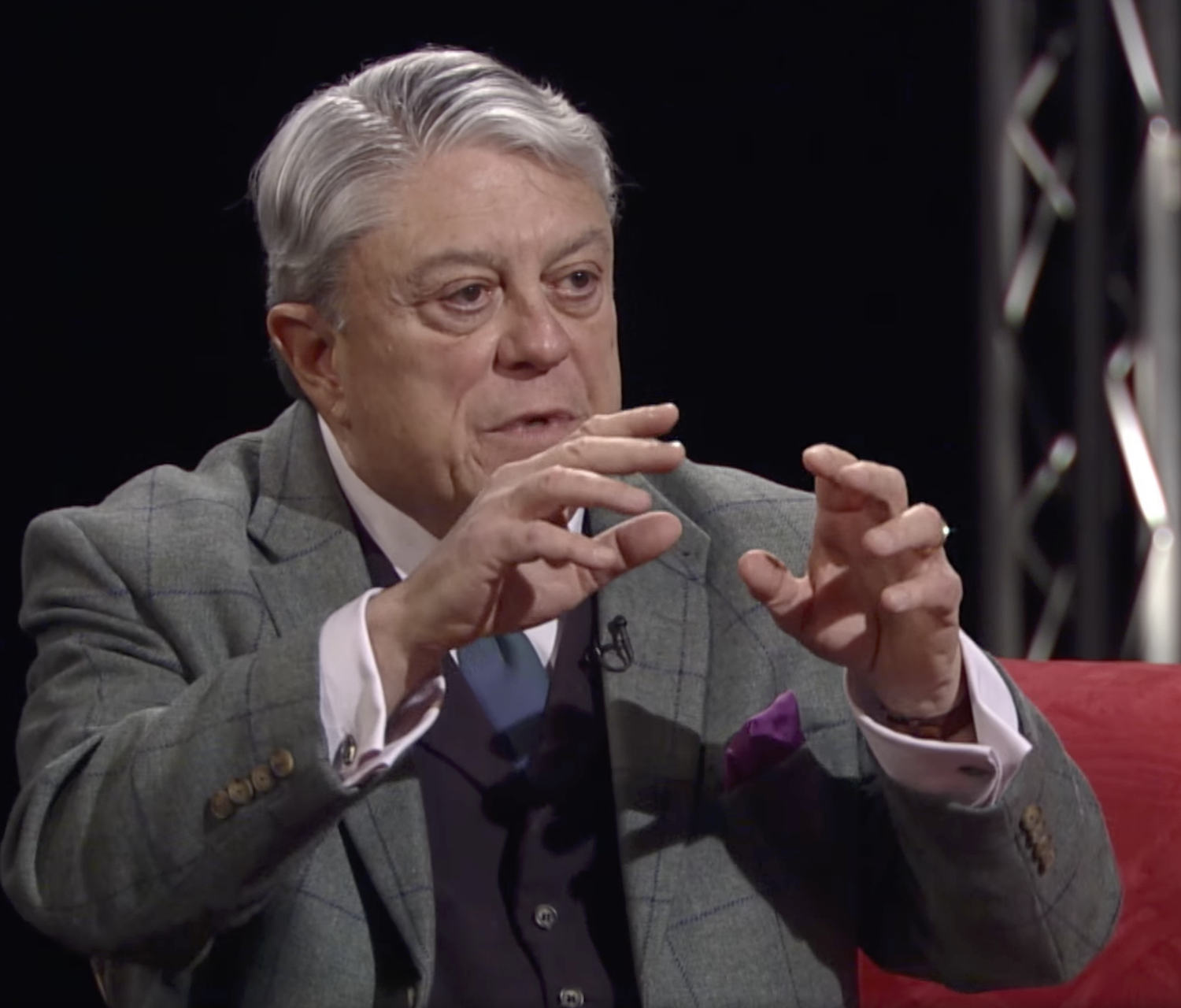
John Oliver
Oliver spent four decades shaping narratives for powerful institutions. Now, in what he describes as a more candid second act, he has turned that same analytical eye toward the mythology surrounding George Washington—and toward a little-known episode here in Saratoga that complicates the story in ways that feel both local and surprisingly contemporary.
Oliver will share this story Monday, March 30 at 7 p.m. in a Zoom session conversation – titled “Washington and Saratoga: It’s Complicated.” -- that will challenge us to move beyond the familiar image of Washington and consider a more human, more conflicted figure—one shaped not only by ideals, but by ambition, financial pressure, and the moral contradictions of his time.
Oliver’s starting point is simple: if we want to understand the American story, we have to look past the polished version. Washington was not just a symbol of virtue. He was a land speculator with a surveyor’s instinct for opportunity, a strategist who saw the young nation in terms of infrastructure and expansion, and a man whose economic world was inseparable from slavery. These realities do not diminish him—but they do change the way we see him.
That shift comes into sharp focus in Saratoga.
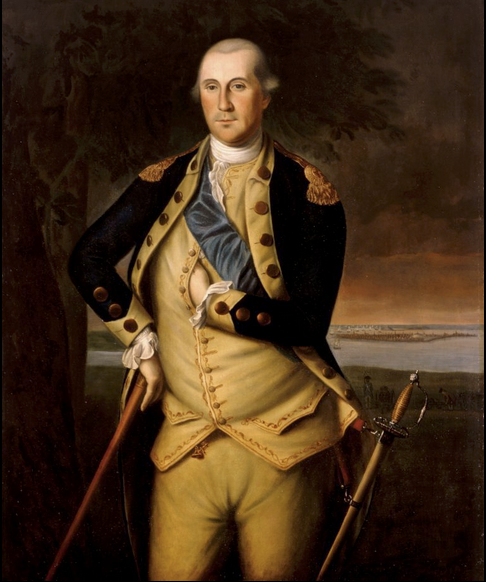
George Washington by Charles Willson
In 1783, at the close of the Revolutionary War, Washington visited the region not as a general, but as something closer to a modern investor—curious, calculating, and alert to possibility. He took a particular interest in the High Rock Spring and explored the idea of acquiring land here, envisioning Saratoga as part of a broader portfolio of opportunity. He even wrote to Governor George Clinton expecting a purchase might be arranged.
But Saratoga did something unexpected. The local landholders refused.
It is a small moment, easily overlooked, but one that Oliver sees as revealing. In this instance, the man who would become a national monument encountered a community unwilling to yield. The episode offers a glimpse of Washington not as an untouchable figure, but as a participant in negotiation, ambition, and constraint—much like the country he helped to shape.
What does it mean to admire Washington while fully confronting the realities of his life? How should we understand ambition in a founding figure? And what can Saratoga—so often defined by its own layered history—teach us about the distance between story and truth?
John Oliver won’t offer a final verdict. But he will offer something more valuable: a way of looking that invites us to reconsider what we think we know.