

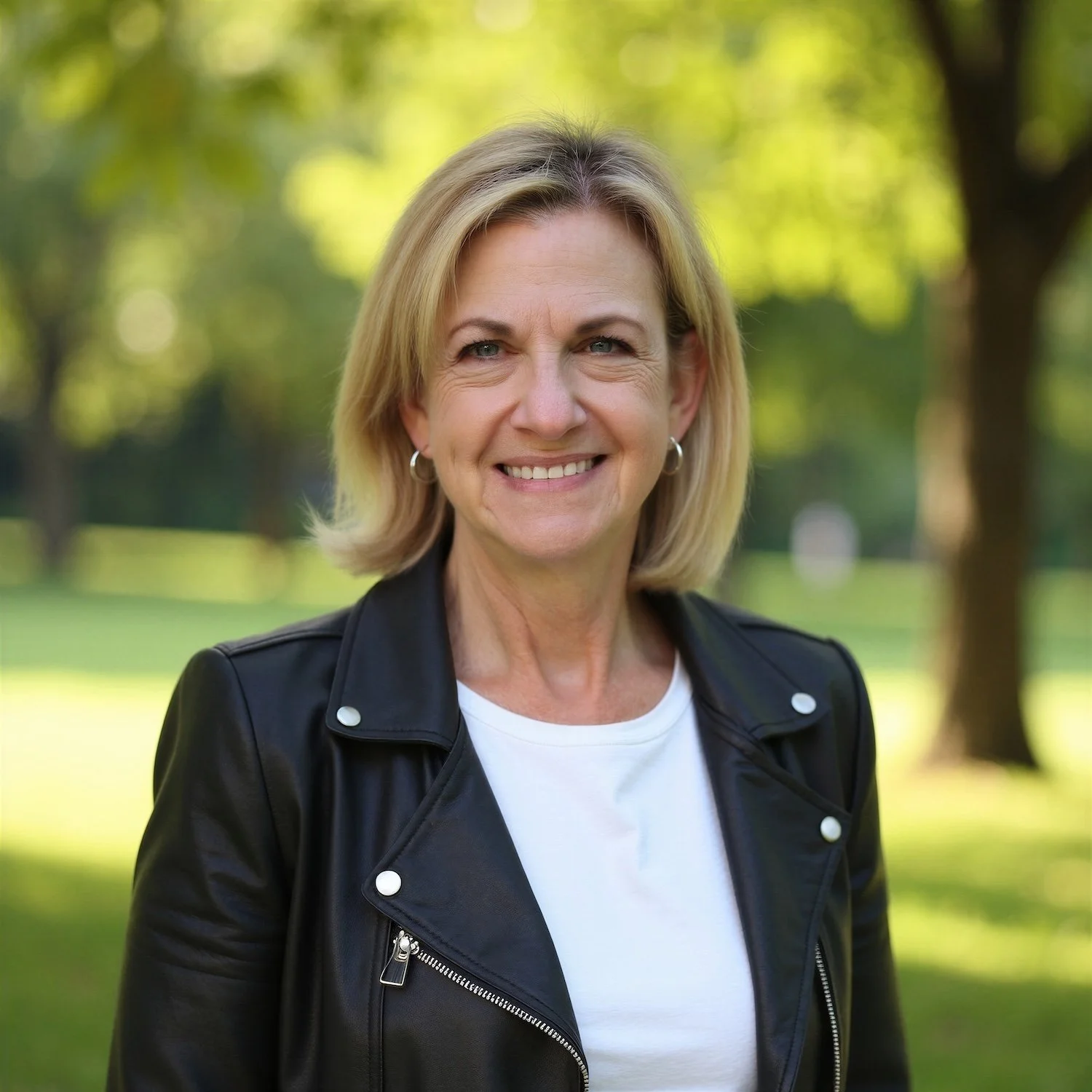
What happens when a librarian, an academic leader, a professional dog trainer, and a poet all inhabit the same person?
The answer is Rachel Baum—a writer whose remarkable journey demonstrates how creativity can emerge from unexpected places and become a force for civic engagement. Join us for an evening exploring poetry, resilience, public service, and the ways art can deepen our understanding of one another and the communities we share.
More than a conversation about writing, this promises to be a conversation about how observation, empathy, and storytelling can help shape public life.
Baum is one of the Capital Region’s most accomplished literary voices and an energetic advocate for the arts. Her path to poetry has been anything but conventional. After distinguished careers in librarianship, higher education, and professional dog training, she turned her creative energies toward writing, producing award-winning work that examines illness, memory, violence, family, and the complexities of contemporary life.
Her professional accomplishments include:
Award-winning poet and writer, with more than 90 poems published in respected literary journals and recognition including a Best of the Net nomination.
Former President of the New York Library Association, reflecting a lifelong commitment to expanding access to knowledge and strengthening public institutions.
Former Assistant Dean of the College of Computing and Information at the University at Albany, where she helped guide academic programs at the intersection of technology and information.
Certified professional dog trainer and founder of The At Home Dog Trainer, LLC, whose popular Times Union column, “BARK! Confessions of a Dog Trainer,” translated behavioral science into practical wisdom for pet owners.
Outside her professional life, Baum is an APA-ranked pool player, licensed private pilot, Adirondack hiker, kayak angler, and avid crafter whose curiosity and energy extend well beyond the written page.
Poetry Rooted in Experience
Baum’s work is notable for transforming personal experience into broader conversations about society and culture.
Her collection How to Rob a Convenience Storeconfronts the normalization of gun violence in America through formally inventive poetry whose interconnected structure mirrors the way acts of violence ripple through communities. Proceeds from the book support the Giffords Law Center.
In Richard Brautigan’s Concussion, she reflects on recovery from cognitive injury through an imaginative dialogue with the work of novelist and poet Richard Brautigan, creating a meditation on memory, healing, and identity.
Her forthcoming collection, Secrets She Has Saved, explores family relationships, motherhood, daughterhood, and the enduring emotional bonds that shape our lives.
Across these works, Baum demonstrates that poetry can illuminate public issues while remaining deeply personal.
Bringing Poetry into Public Life
Baum has not confined her efforts to the page. She has worked tirelessly to expand opportunities for writers and to make literature part of everyday civic experience.
Among her projects:
She proposed and helped establish the Saratoga Springs Poet Laureate program, ensuring that poetry has a visible role in the cultural life of the city.
She helped launch the Saratoga Writers Center Collective, creating new opportunities for writers to collaborate across generations and disciplines.
She co-founded Capital Region Poems on Wheels, a project that delivers poetry to thousands of homebound seniors through partnerships with meal delivery organizations, using literature to combat isolation and foster human connection.
Through the Saratoga Peace Pod, she has organized volunteers who create handmade quilts, knitted items, and other gifts for individuals and families facing hardship, demonstrating that creativity can express itself through both words and acts of care.
She’s currently looking for a permanent home for the Saratoga Writers Center, the mission of which is to celebrate and advocate for the art of the written word and to connect diverse voices and readers across disciplines, traditions, and ages;
Join the Conversation
Baum’s story illustrates that the boundaries between art and civic life are more porous than they may appear. Through poetry, public service, and grassroots community building, she reminds us that creativity can strengthen neighborhoods, foster understanding, and inspire meaningful change.
Whether you are a poet, a reader, an educator, or simply someone curious about the role of the arts in public life, you are warmly invited to take part in this conversation.
We hope you will join us for an evening of thoughtful conversation about literature, resilience, and the enduring power of words to connect people and build community.