
Saratoga’s Forgotten Hero
Peter A. Finley and His Fight for the Rule of Law
In the summer of 1926, when Saratoga Springs had come to be defined as much by quiet corruption as by its mineral springs, one man concluded that the lawlessness had gone too far.
Peter A. Finley was neither a politician nor a crusading journalist. The President of the Saratoga Taxpayers Association, he believed the rule of law still carried weight—and was prepared to put that belief to the test, whatever the cost.
At a moment when vice was tolerated, even rationalized, as part of the city’s economic engine, Finley saw something more corrosive at work: a quiet surrender of public authority to private interests.
This was the height of Saratoga Springs’ Roaring Twenties identity—a place where wealth, spectacle, and lawlessness converged. The August racing meet drew the nation’s elite, arriving not only by motorcar but increasingly by private airplane, moving effortlessly from the grand hotel verandas to the late-night allure of the “green tables.”
What had once been discreet vice had become visible, normalized, and economically embedded. The city’s prosperity was tied to this system, yet its openness created a growing divide.
While businesses thrived on the influx of gambling money, reformers increasingly viewed the situation as untenable—an “odious” condition that blurred the line between civic identity and systemic lawbreaking.
By mid-summer, the tension between economic benefit and legal obligation had reached a breaking point.
Only July 23, Peter Finley sent a pointed demand to Governor Al Smith to:
Undertake a formal, state-led investigation into conditions in Saratoga Springs.
Appoint an independent investigator free from local influence
Investigate systemic corruption, not isolated incident
Hold public officials accountable
Restore the rule of law in Saratoga Springs
Finley’s objective was to move Saratoga’s vice economy out of the realm of rumor and into the realm of record. Gambling, he argued, was not hidden but “open and notorious,” woven into the daily life of the city. His petition sought to force the state to confront what local authorities had failed—or refused—to address, transforming a widely acknowledged condition into a formal legal challenge.
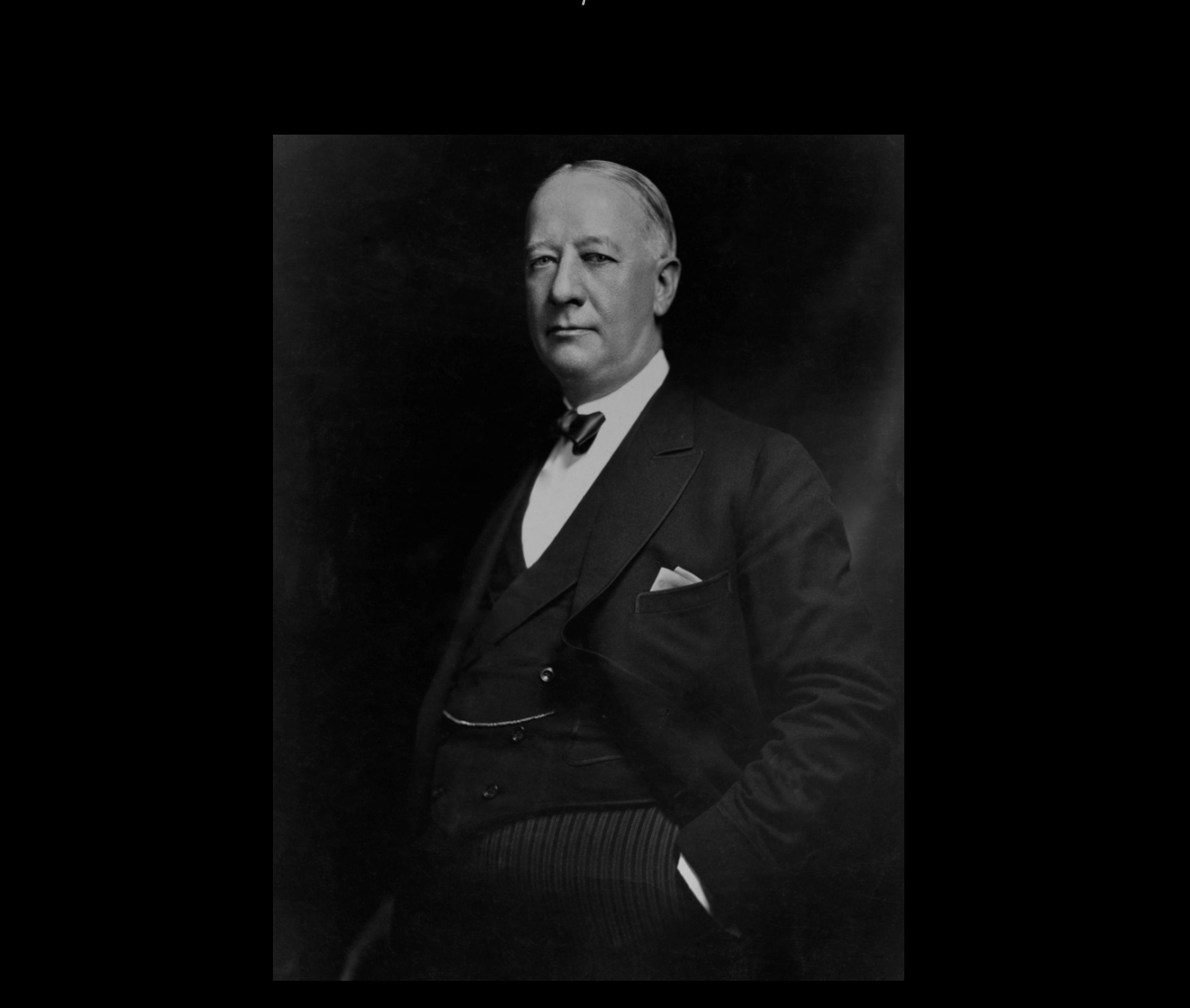
Al Smith
Peter Finley’s July 23 letter to Governor Al Smith was a pointed demand for state intervention. He asked the Governor to:
Invoke the Moreland Act to undertake a formal, state-led investigation into conditions in Saratoga Springs.
Appoint an independent investigator free from local influence
Investigate systemic corruption, not isolated incident
Hold public officials accountable
Restore the rule of law in Saratoga Springs
Smith named Supreme Court Justic Christopher Heffernan from Amsterdam to conduct the investigation, which unfolded over a week of public hearings held at the height of the Saratoga racing season—ensuring that the inquiry into corruption played out in full view of the city’s most visible and influential crowds.
As Heffernan shouted at one uncooperative witness, Mellefont’s Cafe operated by day just 100 yards from the courthouse at 449 Broadway (the address where Soave Faire now operates today), but became at night a “Red Front” gambling house. The brazenness of this—vice transforming in plain sight within earshot of the courthouse—captured the very essence of the Saratoga Way.
“I am fully satisfied that during the time set forth in the petition gambling, consisting of pool selling, book-making, faro, cards, roulette and other games of chance, was conducted openly and notoriously in the City of Saratoga Springs,” Heffernan concluded in the report he submitted to the Governor on September 15.
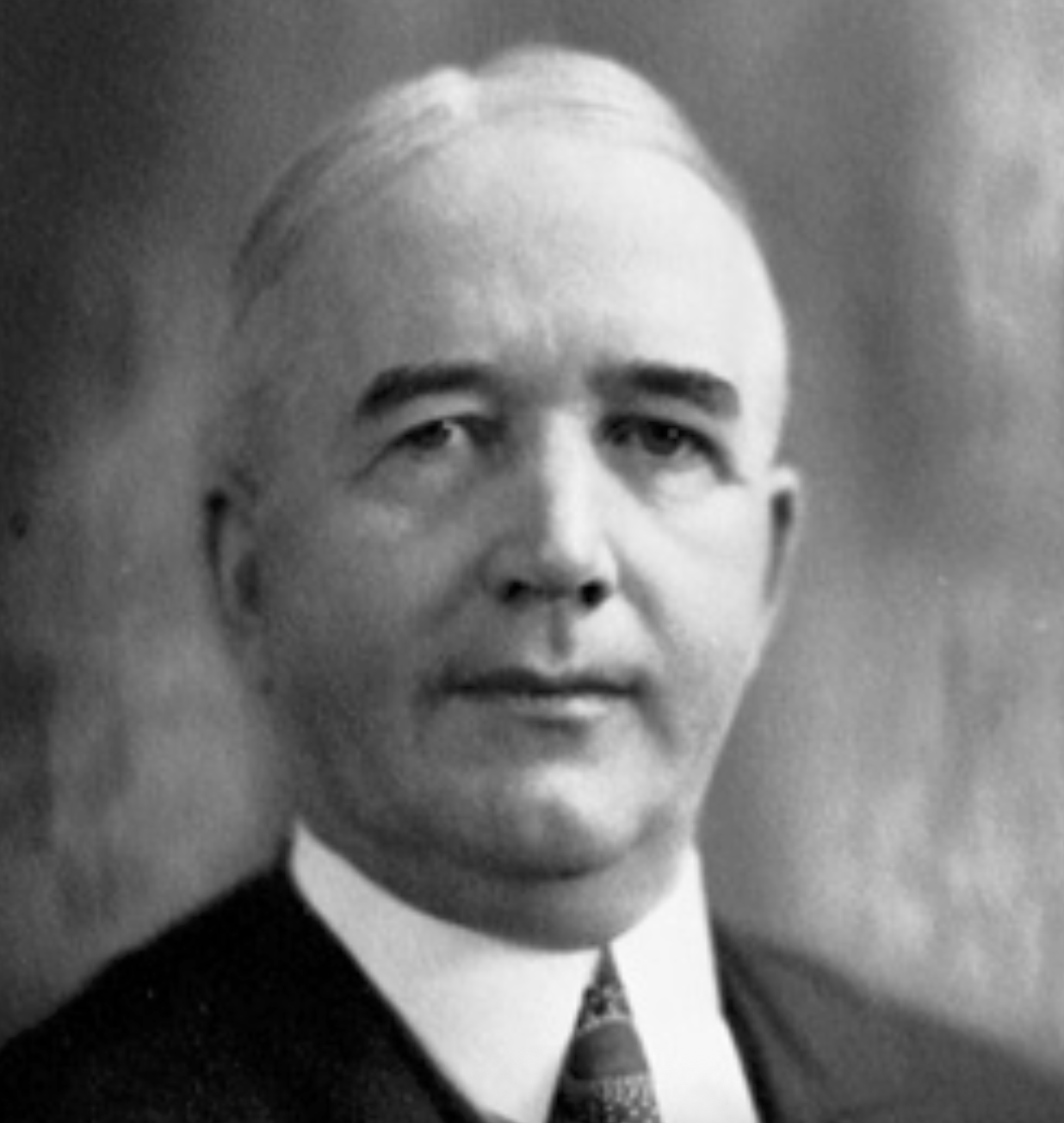
Justice Christopher Heffernan
Smith promptly removed for dereliction of duty District Attorney Charles Andrus and Sheriff Arthur G. Wilmont. Public Safety Commissioner Arthur “Doc” Leonard resigned before Smith could fire him.
Prosecutors tried to indict these public officials for their misdeeds, but the grand juries they convened declined to cooperate. Mobsters, politicians, and police continued to collude in the dark corners of a city that, for one brief moment during the summer of 1926, had been forced to explain itself.
In 1931, Leonard would run again for Public Safety Commissioner — and win.
Introducing Our 100th Anniversary Retelling
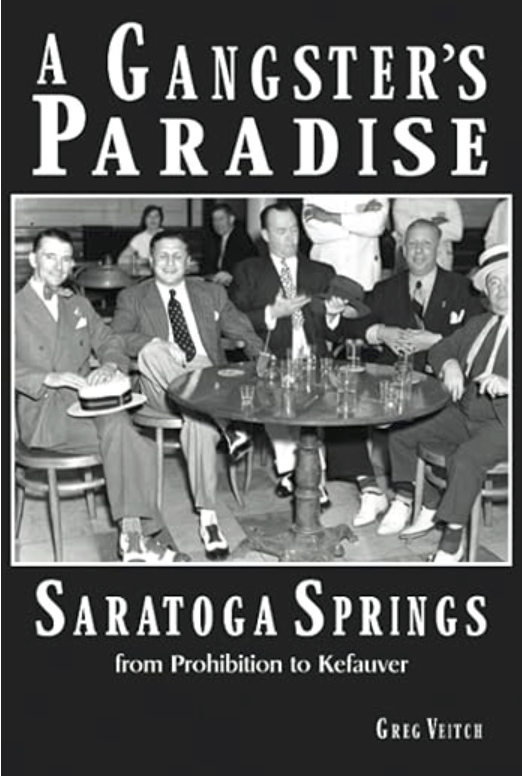
Greg Veitch tells this story in A Gangsters' Paradise, the history of organized crime in Saratoga he published ten years ago.
With his permission, we’ve uploaded it with 46 other sources about the mob in Saratoga into NotebookLM, Google’s powerful “thinking partner.”
How bright a light can we shine on Peter Finley and this fleeting bright moment in Saratoga’s fight for the rule of law?
It will be fun to see, and we thank Greg for allowing us to put our AI tools through their paces in fleshing out this story.
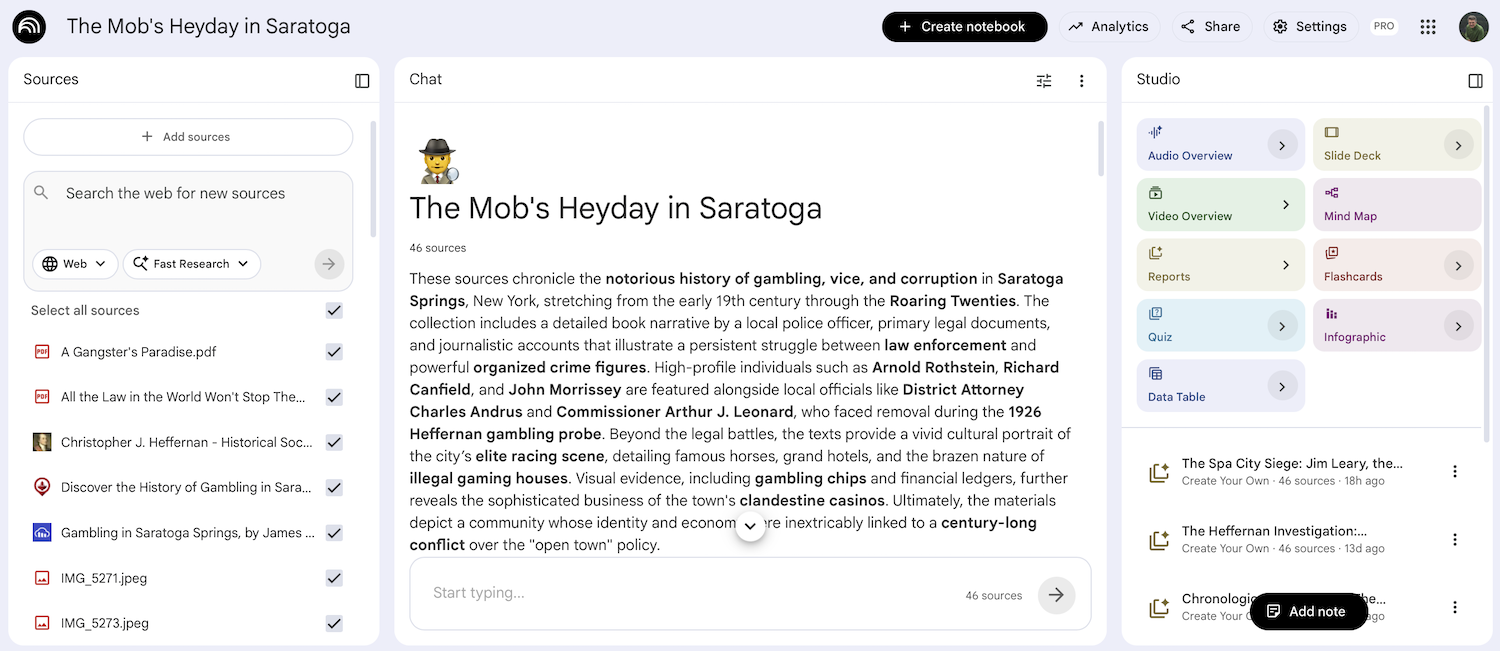
Having created in NotebookLM our model of just about everything stored in Greg’s brain about the mob’s heyday in Saratoga, we may now extract that knowledge and publish it any form we wish.
Here’s our list to start:
a draft of a presentation that Greg might make at the big Bridles and Bootleggers gala that the Saratoga Springs History Museum and the National Racing Museum on May 21
a proclamation that Mayor John Safford might read from the steps of City Hall in declaring July 23 to be Peter Finley Appreciation Day
a series of posts on Civic Conversations
a self-guided audio tour on Stories from Open Space
a print-on-demand book
the draft of a play to be performed on July 23rd, 2027 in the High Tunnel at Pitney Meadows Community Farm
Here are More Ways We Already Can Tell Greg’s Story
A Video Overview in Six Minutes
A Two-Minute Audio Synopsis
The Book We’ll Serialize this Summer

In Development
A presentation that Greg might make at the big “Bridles and Bootleggers” gala on May 21
A proclamation that Mayor John Safford might read from the steps of City Hall on the morning of July 23
An expert panel we might convene on the evening of July 23 in collaboration with the International Association of Torch Clubs and Friends of the Saratoga Springs Public Library
A series of posts on Civic Conversations
A self-guided audio tour on Stories from Open Space
A print-on-demand book
A play that might be performed in the High Tunnel of Pitney Meadows Community Farm on July 23rd, 2027