

The Saratoga Springs
Municipal Climate Action Plan
Background for Civic Conversations
The Following Drafts were Generated by the Smartacus Neural Net
To Demonstrate the Power of Artificial Intelligence in Civic Journalism
A Collaboration Between C&R Interactive and the Saratoga Torch Club
We Invite the Climate Smart Task Force to Join Us.
Share Your in Zoom Conversations, in Published “Polished Transcripts,” and at our monthly Torch Club Dinners.
Five Conversations for a Climate-Ready Saratoga Springs
The City of Saratoga Springs has established a clear and ambitious direction for its future with the adoption of its comprehensive Municipal Climate Action Plan (MCAP).
These are the five critical conversations we must have now and continue for decades to translate the city's ambitious climate goals into tangible, lasting, and equitable action.
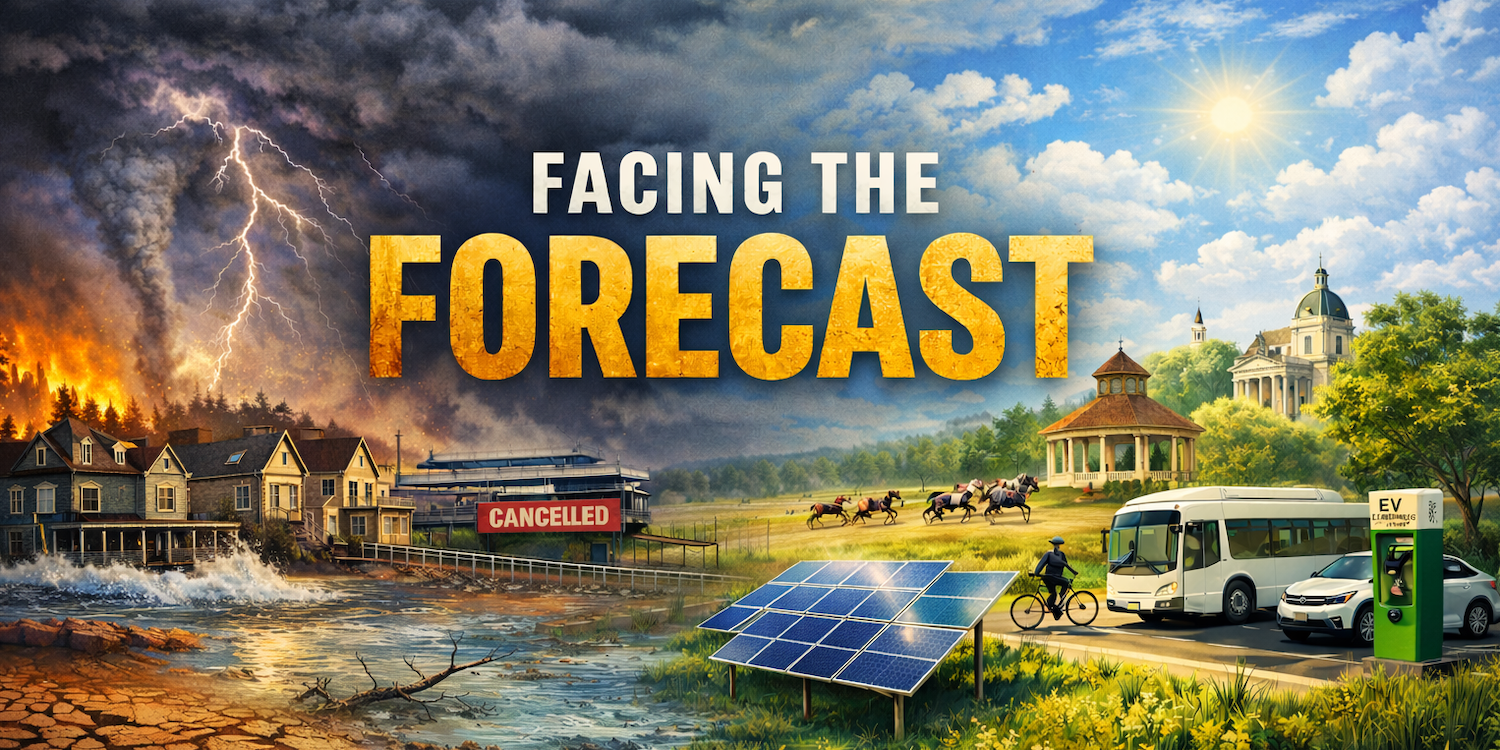
How honestly are we aligning our climate goals, timelines, and investments with the accelerating climate risks already reshaping Saratoga Springs?
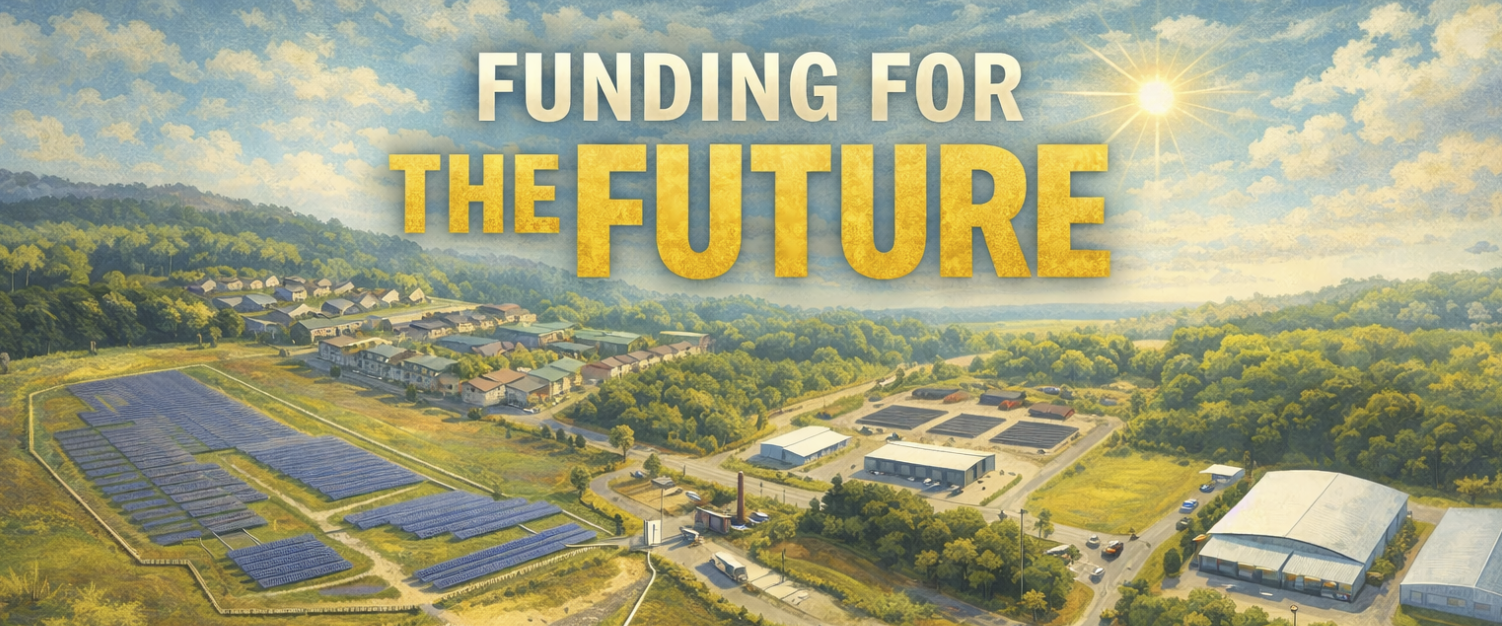
Can the city move from viewing climate action as a cost to treating it as a long-term investment in fiscal stability, public health, and economic resilience?
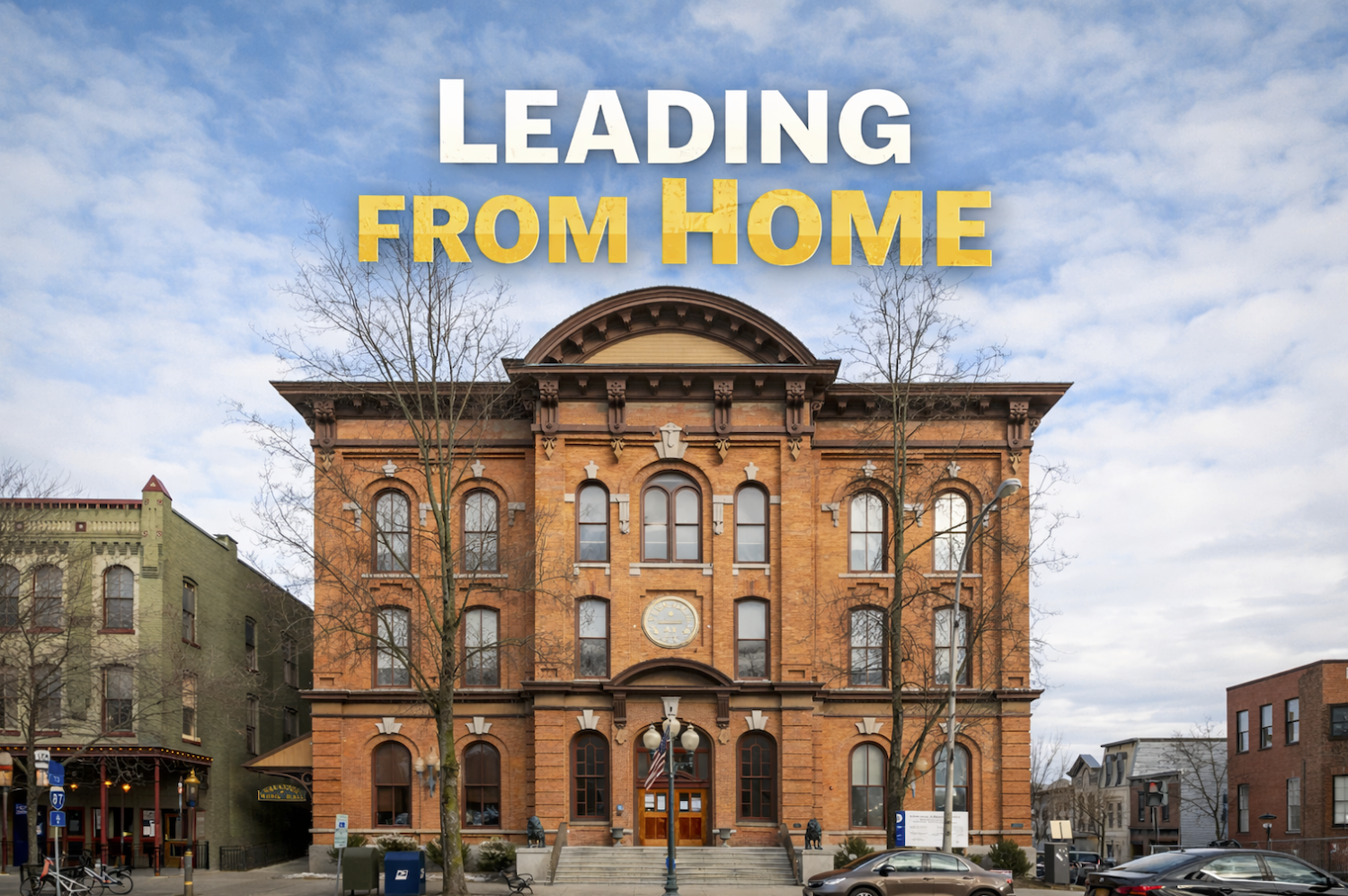
How can Saratoga Springs sustain science-based climate leadership locally, even as national politics grow more polarized and hostile to climate action?
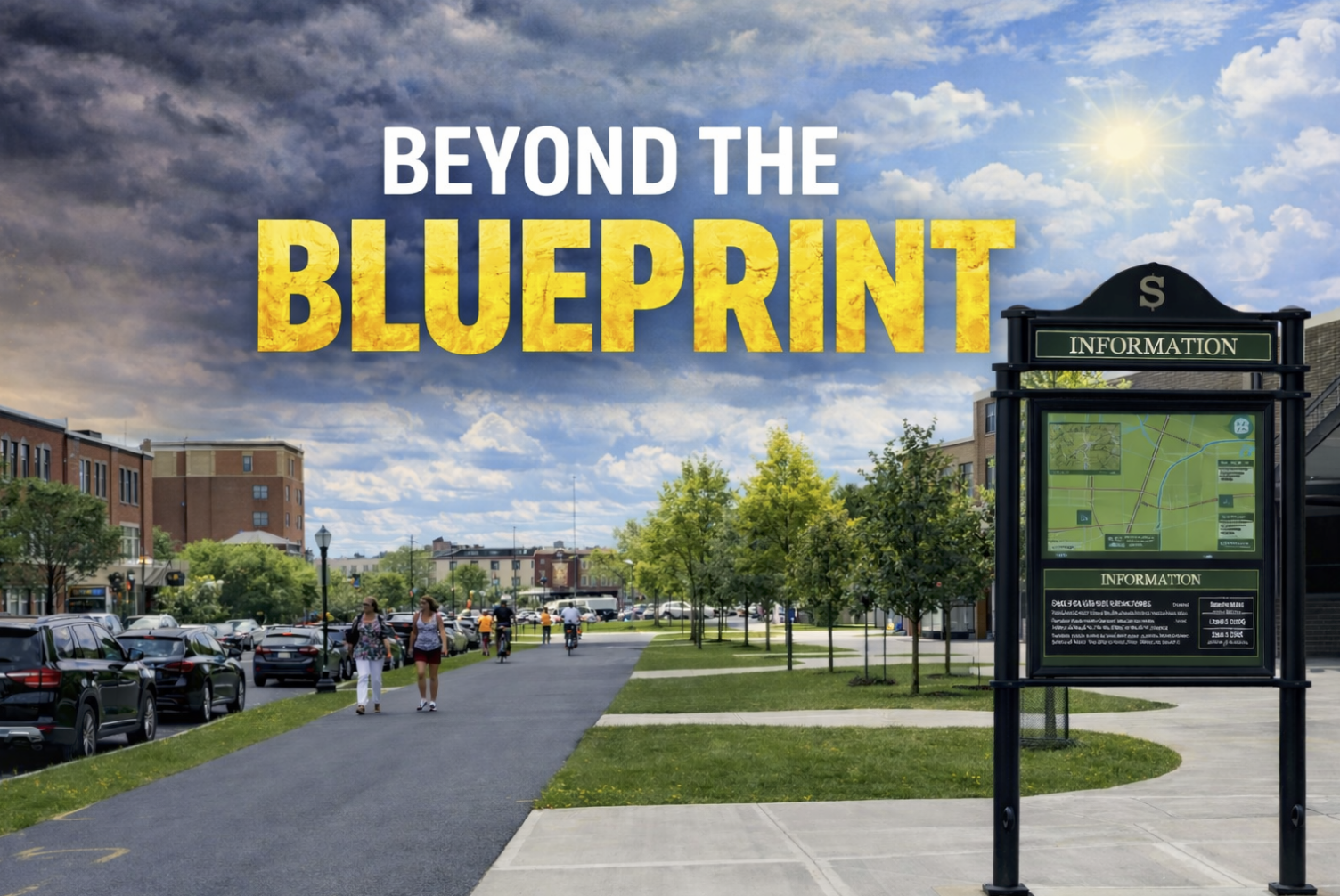
How do we ensure climate action becomes embedded in everyday city policy, purchasing, land use, and decision-making—rather than remaining a collection of isolated projects?

How should the City balance cutting emissions with preparing residents, infrastructure, and neighborhoods for climate impacts that are already unavoidable?
Highlights of the Plan in Seven Minutes
Origin and Development of the Climate Action Plan
The City of Saratoga Springs’ Municipal Climate Action Plan (MCAP) has its roots in the city’s long-standing commitment to climate and sustainability initiatives. In 2011, the Saratoga Springs City Council took a foundational step by unanimously adopting the New York State Climate Smart Communities pledge – a public commitment to reduce greenhouse gas (GHG) emissions and adapt to climate change saratoga-springs.org.
This pledge established a framework of ten “pledge elements” (from setting emissions goals to enhancing community resilience) that guided the city’s early climate efforts saratoga-springs.org. Following the pledge, the city created a Climate Smart Task Force(CSTF) and began integrating climate considerations into other plans and policies. Notably, the 2015 Comprehensive Plan emphasized sustainability as a core value for development saratoga-springs.org, and by 2019 the City Council had formally voiced support for the Paris Climate Agreement’s goals saratoga-springs.org.
By 2020, Saratoga Springs was certified as a Bronze-level Climate Smart Community, signaling it had completed numerous climate actions and plans saratoga-springs.org. A major recommendation of the city’s 2020 Natural Resources Inventory (NRI) was that Saratoga Springs should “develop a Climate Action Plan” to reduce emissions and improve climate resilience saratoga-springs.org.
Acting on this guidance, the city sought funding and was awarded a state Climate Smart Communities grant in late 2022 (with matching city funds) specifically to undertake a municipal GHG emissions inventory and create a Municipal Climate Action Plansaratoga-springs.org. The Office of Planning and Economic Development, under the Mayor’s Department, spearheaded the project in coordination with other city departments.
Development of the MCAP formally kicked off in early 2024 once consultants were retained (the firm C&S Companies was selected in October 2023) saratoga-springs.org. The planning process was highly collaborative and spanned nearly two years, incorporating both expert analysis and public input. Some key milestones in the MCAP development included:
February 2024: Project kickoff with C&S Companies and city staff. The Planning Department began working with the Climate Smart Task Force and all city departments to set preliminary climate goals, a vision, and potential actions saratoga-springs.org.
April 2024: Public outreach began. City staff and CSTF members hosted a table at the Saratoga Sustainability Fair to share the draft Greenhouse Gas Inventory (GHGI) findings and raise awareness saratoga-springs.org.
May 23, 2024: A public workshop at the Saratoga Springs Public Library presented draft climate action goals and strategies to residents saratoga-springs.org. Attendees provided feedback on proposed actions and helped identify climate resilience priorities. (The city also collected feedback via an online input form on the CSTF webpage during this period.)
Summer–Fall 2024: The draft strategies were refined with internal city input. In September 2024, the Planning Department reviewed the emerging Climate Action Plan goals and vision with the Mayor’s office (Deputy Mayor) and the Deputy Commissioners of city departments saratoga-springs.org. By December 2024, the Climate Smart Task Force gave a progress presentation to the City Council, highlighting draft MCAP measures, the city’s success with state clean energy grants, and plans for Climate Smart Community Silver certification saratoga-springs.org.
July 2025: The Municipal GHG Inventory Report was published on the city’s website, establishing the 2023 baseline of emissions for city operations saratoga-springs.org. This inventory quantified emissions from city buildings, vehicle fleet, streetlights, water systems, landfill methane, employee commutes, and even carbon sequestration by city-owned trees saratoga-springs.org. It found that the closed Weibel Avenue landfill was the single largest source (about 67% of municipal emissions) and provided data to prioritize action saratoga-springs.orgsaratoga-springs.org.
October 22, 2025: A Draft Municipal Climate Action Plan was released, incorporating the inventory results and public/stakeholder input. This draft MCAP was made available for public review and comment on the city’s website saratoga-springs.org. The draft outlined proposed emissions-reduction targets, strategies for city operations, and detailed action steps for each department.
November–December 2025: City Council held public hearings on the proposed MCAP. Community members, environmental groups, and stakeholders overwhelmingly voiced support, citing the plan’s benefits for modernizing city operations, protecting against climate threats, and positioning the city for grants and green jobs saratogacivicpulse.substack.com. For example, representatives from the Climate Smart Task Force, Sustainable Saratoga, and Bikeatoga spoke in favor of adoption, calling the plan “incredibly important work” and a “great way for our city to work towards ambitious goals”saratogacivicpulse.substack.com. After a final hearing on December 16, 2025, the City Council unanimously adopted the Municipal Climate Action Plan by a 5–0 vote saratogacivicpulse.substack.com.
The adopted Municipal Climate Action Plan (December 2025) is the city’s first climate action plan focused exclusively on municipal operations saratoga-springs.org. It establishes a roadmap for Saratoga Springs to achieve carbon-neutral city operations by 2050, with interim targets of 50% emissions reduction by 2035 and net-zero (100% reduction from 2023 levels) by 2050 saratoga-springs.org. The MCAP document runs ~85 pages and includes an introduction with the city’s climate vision, an inventory summary, an assessment of climate actions already completed or underway, and detailed climate strategies and action plans for each sector of city operations. It was developed to be consistent with Saratoga’s existing plans (like the Comprehensive Plan and NRI) and the state’s climate goals, while also laying the groundwork for a future Community Climate Action Plan that will address citywide (community-level) emissions saratoga-springs.org.
Key Stakeholders and Contributors
Developing the Climate Action Plan was a collaborative endeavor involving city officials, expert consultants, advisory committees, and community organizations. Below is an overview of the key individuals and groups involved, along with brief background and contact information where available:
City Project Team (City Staff): The MCAP was prepared with leadership from the Mayor’s Office and several city departments. Michael Dutre, Administrator of Parks, Open Lands, Historic Preservation and Sustainability, served as a primary coordinator for the plan saratoga-springs.org. (Contact: michael.dutre@saratoga-springs.org saratoga-springs.org). Michael Dutre is housed in the Mayor’s Department and oversees sustainability initiatives for the City. Other city staff who contributed expertise include: Susan Barden (Administrator in the Office of Planning & Economic Development), Michael Veitch (Business Manager, Department of Public Works), Steve Lashomb (City Arborist, DPW), Rachael Capasso (Director of Risk and Safety, Accounts Dept.), and the late Beige Berryman (former Administrator in the Planning Department) saratoga-springs.org. Each of these staff brought relevant expertise – for example, Steve Lashomb provided input on urban forestry and tree management, and Michael Veitch on public works infrastructure. The plan document specifically acknowledges these individuals for their contributionssaratoga-springs.org.
Climate Smart Task Force (CSTF): Saratoga Springs’ Climate Smart Task Force is a volunteer advisory board of residents and experts that helped guide the plan’s development. The CSTF is part of the state’s Climate Smart Communities program structure, assisting the city in planning and implementing climate actions. In 2024–2025 the Task Force was chaired by Laura Faulk saratoga-springs.org saratogacivicpulse.substack.com. Laura Faulk, a local sustainability advocate, led the task force meetings and acted as a liaison to city officials; she spoke at the Council hearing strongly supporting the MCAP’s adoption saratogacivicpulse.substack.com. Other members of the Task Force during the plan development included Rayna Caldwell, Dan Barusch, Heather Crocker (joined June 2025), Jennifer Ferriss, Ben Foster, James Gallagher, Jamil Khan, Deirdre Ladd (served through May 2025), Anita Morzillo, Zachary Madding(joined Dec 2024), and Brook VanBuskirk (served in 2024) saratoga-springs.org. These individuals come from varied backgrounds – for instance, some are environmental professionals, planners, or community volunteers – and collectively they provided ideas, reviewed draft materials, and helped engage the public. (Contact: The Task Force can typically be reached through the Planning Department or via the sustainability coordinator, Michael Dutre, as members’ personal contact info is not publicly listed.)
Consultants (Project Team): The city hired professional consultants to perform the GHG inventory analysis and to compile the Climate Action Plan. The primary consulting firms were C&S Companies and Saratoga Associates saratoga-springs.org. C&S Companies is an engineering and planning firm that prepared the detailed Municipal Greenhouse Gas Inventory (using 2023 data) and contributed technical analysis on emissions reduction strategiessaratoga-springs.org. Saratoga Associates (Landscape Architects, Engineers, and Planners, P.C.) assisted with planning facilitation, presumably contributing to strategy development and document preparation saratoga-springs.org. These consultants worked closely with city staff through 2024 and 2025 to develop the plan’s content. (For reference, C&S Companies is a Syracuse-based engineering firm with sustainability consulting experience, and Saratoga Associates is a local planning and design firm headquartered in Saratoga Springs.)
Sustainable Saratoga: A local nonprofit organization, Sustainable Saratoga, played a key supportive role in the climate action planning. Sustainable Saratoga focuses on environmental stewardship and policy advocacy in the city. Several of its members were involved in the process: Jared Snyder, a Sustainable Saratoga board member and former NYS Department of Environmental Conservation Deputy Commissioner, was an advisor on the MCAP planning team saratoga-springs.org. Mr. Snyder (who sadly passed away during the project) provided invaluable guidance on setting emissions targets and aligning with state climate policies saratoga-springs.org. Also, Kelsey Trudell, the Executive Director of Sustainable Saratoga, and Amy Durland, the chair of Sustainable Saratoga’s board, spoke publicly to endorse the Climate Action Plan’s adoption saratogacivicpulse.substack.com. Sustainable Saratoga’s Urban Forestry Project chair, Caroline Rothaug, contributed input on tree planting and carbon sequestration strategiessaratoga-springs.org. (Contact: Sustainable Saratoga’s website lists info@sustainablesaratoga.org as a general contact; individual leaders’ contact info is via that organization.)
Other Community Stakeholders: The planning process drew on expertise from various local stakeholders:
Saratoga Springs Public Library – hosted the May 2024 public workshop and is noted as a community partnersaratoga-springs.org.
Skidmore College – Tarah Rowse, Director of Sustainability at Skidmore College, provided input on sustainability and was a resource person for the plansaratoga-springs.org. (Skidmore is an active community partner on climate initiatives in Saratoga.)
Bikeatoga – Ed Lindner, Advocacy Chair of Bikeatoga (a local biking advocacy group), participated and gave feedback, especially on transportation and bicycle infrastructure aspects saratoga-springs.org. He also spoke at the City Council hearing to emphasize the plan’s importance for reducing transportation emissions saratogacivicpulse.substack.com.
Capital District Regional Planning Commission (CDRPC): Saratoga Springs is part of CDRPC’s regional climate initiative. CDRPC sustainability planners Haley Balcanoff and Tara Donadio assisted by providing data and tools, such as a regional GHG inventory dashboard for community emissions saratoga-springs.orgsaratoga-springs.org. The city’s 2022 Community GHG Inventory Report was developed with CDRPC supportsaratoga-springs.org. While the MCAP focuses on municipal operations, these regional partners ensure consistency with broader climate strategies. (Contact: CDRPC’s Sustainability office in Albany; Haley Balcanoff and Tara Donadio are listed on CDRPC’s staff directory.)
New York State DEC (Climate Smart Communities Program): The state provided funding and guidance for the plan. DEC’s Office of Climate Change staff were not individually named in the plan, but the grant from DEC underwrote the consultant work saratoga-springs.org. Additionally, Rick Fenton, a retired DEC forester, gave input on forestry and resilience (he is acknowledged as a community resource)saratoga-springs.org.
Elected Officials: City leadership was crucial in championing the plan. Mayor John Safford (who took office in 2024) supported the climate planning process and highlighted the city’s sustainability commitment. Upon Bronze recertification in 2025, Mayor Safford stated that with the Climate Action Plan and pursuit of Silver certification, “Saratoga Springs is charting a clear course toward a more sustainable and resilient future”saratogatodaynewspaper.com. The City Council (comprised of the Mayor and Commissioners) ultimately voted to adopt the plan unanimously, reflecting bipartisan support. Key council members involved included Commissioner Jason Golub (Accounts) in earlier stages and Commissioner Jason Coll (Department of Public Works) who expressed support at adoption, among others. (Contact: City Hall – 474 Broadway, Saratoga Springs, NY, phone 518-587-3550 – can direct inquiries to the Mayor’s office or relevant Commissioner.)
Each of the above individuals and groups brought expertise or authority to different aspects of the MCAP – from technical analysis and policy development to community engagement. The “Climate Smart Task Force” in particular continues to function post-adoption as an advisory body helping implement climate actions; meetings are generally open to the public and information is available via the city’s Sustainability officesaratoga-springs.org.
Progress and Achievements to Date
Before and during the development of the Climate Action Plan, Saratoga Springs had already begun implementing numerous climate-smart initiatives. The MCAP document includes a section “Climate Actions Completed or Underway” that assesses the city’s progress on previously stated sustainability goals. This serves as a baseline of achievement on which the new plan builds. Key accomplishments include:
Clean Energy Upgrades: The city has steadily improved energy efficiency in its operations. As early as 2010, the city’s Scott T. Johnson Recreation Center was built with geothermal heating and cooling to reduce fossil fuel use saratoga-springs.org. By 2017, all city traffic signals were converted to LED technologysaratoga-springs.org. In 2024, Saratoga Springs completed the conversion of most streetlights to LED lamps, dramatically cutting electricity consumption for street lighting saratoga-springs.orgsaratoga-springs.org. (The remaining street and outdoor lights are on track for 100% LED conversion under the plan saratoga-springs.org.)
Renewable Energy Projects: Saratoga Springs has invested in renewable power. Through a Solarize Saratoga ampaign in 2015, residents installed solar panels on about 30 homes, spurred by city outreach incentives saratoga-springs.org. In 2017 the city commissioned the Spa Solar Park, a 2.5 MW solar array built on the capped Weibel Avenue landfill, which now generates clean electricity on a formerly unused site saratoga-springs.org. The city also passed an energy benchmarking ordinance in 2017 requiring annual tracking of energy use in municipal buildingssaratoga-springs.org – helping identify further efficiency opportunities.
Fleet and Equipment Greening: Saratoga’s vehicle fleet and equipment are becoming cleaner. The city hired its first City Arborist in 2017 saratoga-springs.org (recognizing the importance of urban forestry to carbon sequestration), and then began electrifying equipment. In 2024, the Department of Public Works added its first electric riding lawn mower to replace a gasoline-powered model saratoga-springs.org. The city’s EV purchasing campaign accelerated: by 2024 the city achieved Tier 1, 2, and 3 goals of NYSERDA’s Clean Energy Communities program for electric vehicle purchases saratoga-springs.org. As of 2025, the city has added three fully electric vehicles to its fleet (including a Ford Mustang Mach-E and a Chevy Equinox EV) and installed its first dedicated fleet EV charging station in the City Center parking garage saratoga-springs.org. These steps reduce fuel costs and tailpipe emissions while also contributing to state clean transportation goals.
EV Charging Infrastructure: To support both city fleet and public EV use, Saratoga Springs invested in charging infrastructure. Fast-charging stations (NYPA Evolve NY chargers) were installed at the City Center garage through a partnership with the New York Power Authority saratogatodaynewspaper.com. In addition, by late 2025 the city was in the process of installing two new public Level 2 EV chargers at the Woodlawn Avenue parking garage, funded by CEC grants saratogatodaynewspaper.com. These augment existing charging sites downtown and encourage electric vehicle adoption by residents and visitors.
Urban Forestry and Carbon Sequestration: The city recognizes that maintaining and planting trees is vital for climate mitigation and resilience. Since 2014, the nonprofit Sustainable Saratoga has partnered with the city on an annual “Tree Toga” planting event, which has planted 458 new street and park trees (net of removals) through 2023 saratoga-springs.org. This ongoing effort expands the urban forest to absorb CO₂ (sequestering an estimated 7% of municipal emissions over time) and also helps with stormwater management and cooling saratoga-springs.orgsaratoga-springs.org. In 2024, Saratoga won a $75,000 NYS DEC Urban Forestry grant to further support tree planting and maintenance saratoga-springs.org.
Waste Reduction and Resilience Projects: The city has pursued initiatives to cut waste and boost resilience. For instance, in 2024 a food scraps composting pilot at Pitney Meadows Community Farm was funded ($30,000) through the city’s participatory budgeting process saratoga-springs.org. This pilot will divert organic waste from landfills and create compost for local use. The city is also upgrading critical infrastructure: municipal water pumping stations are being overhauled with more efficient equipment (with upgrades scheduled for completion in 2025)saratoga-springs.org, reducing energy use and improving reliability in the face of climate extremes.
Complete Streets and Mobility: While the MCAP itself focuses on municipal operations, Saratoga Springs has also made progress in community-wide GHG reductions, especially in transportation. Notable achievements include extending the Greenbelt Trail Downtown Connector – a multi-use path encouraging biking and walking – and commencing construction of “Missing Links” sidewalk segments to improve walkability saratogatodaynewspaper.com. These projects reduce vehicle miles traveled and were cited as climate accomplishments in the city’s 2025 Bronze recertificationsaratogatodaynewspaper.com. Additionally, the city adopted a Complete Streets Plan (2016) and has an active Complete Streets Advisory Board, which helps align transportation projects with emissions reduction and safety goals saratoga-springs.orgsaratoga-springs.org.
Thanks to these efforts, Saratoga Springs was recertified as a Bronze Climate Smart Community in October 2025, having completed 24 climate-smart actions across 7 categories saratogatodaynewspaper.comsaratogatodaynewspaper.com. The Bronze recertification report highlighted the LED streetlight conversions, EV additions, and clean landscaping equipment as major steps that “lower energy use and costs while reducing air and noise pollution.” saratogatodaynewspaper.com It also noted the city’s progress on biking infrastructure and EV charging for the public.
This track record demonstrates that Saratoga Springs has been actively implementing many “early win” projects even before the formal Climate Action Plan was in place. The new MCAP builds on this foundation by providing a comprehensive strategy and specific targets to deepen these emissions cuts over the next decades.
Plan Goals and Strategies
(This section provides context on the MCAP’s content, which informs progress and next steps.) The Municipal Climate Action Plan (2025) sets two primary GHG reduction targets for city operations: 50% reduction in emissions by 2035 (from 2023 baseline), and 100% reduction (net zero emissions) by 2050 saratoga-springs.org. Notably, these targets exclude the closed landfill’s emissions – because the landfill will continue to emit methane gradually for years even though it’s capped, the plan focuses on eliminating all other sources under direct city control saratoga-springs.orgsaratoga-springs.org. The vision is for Saratoga Springs to achieve carbon-neutral municipal operations by 2050, in line with New York State’s climate mandates (the state aims for 85% reduction below 1990 levels by 2050) saratoga-springs.org.
To reach these goals, the MCAP outlines a set of strategies and actions organized by sector and department. Each action item in the plan identifies the lead city department, supporting partners, an estimated cost range, potential funding sources, and an implementation timeline (immediate, short-term, or long-term)saratoga-springs.orgsaratoga-springs.org.
The strategies cover areas such as:
Buildings and Energy: Converting heating systems from natural gas to electric heat pumps in city buildings, improving insulation and efficiency, and sourcing 100% renewable electricity for municipal operations saratoga-springs.org. For example, a strategy is to replace aging HVAC with heat pumps and enroll in green electricity programs (like NYPA’s Blended Power) to cut building emissions saratoga-springs.org.
Vehicle Fleet: Transitioning the city’s vehicle fleet to zero-emission vehicles (ZEVs). The plan calls for phasing in electric or other ZEV replacements for cars, trucks, and even heavy DPW equipment as technology allows saratoga-springs.org. It proposes securing funding for vehicle replacements and expanding charging infrastructure at city facilities saratoga-springs.org. By reducing gasoline and diesel use, this will address the ~35% of non-landfill emissions that come from the fleetsaratoga-springs.org.
Employee Commute & Transportation Demand: Encouraging alternatives to single-occupancy vehicle commuting by city employees. Though employee commutes are indirectly controlled, the plan suggests establishing an employee committee to find ways to incentivize carpooling, transit, biking, or telecommuting, with a goal to reduce commuting emissions by 5% saratoga-springs.org. One idea is to provide workplace EV charging for staff – since about 30% of EV owners lack home charging, this could enable more employees to switch to EVs saratoga-springs.org.
Waste and Refrigerants: Implementing better tracking and reduction of refrigerant leaks (HFCs) from city HVAC systems, which, while a small portion of the inventory (~3%), have a very high global warming potentialsaratoga-springs.org. Also expanding organics recycling (building on the composting pilot) and improving recycling in city operations.
Land Use and Resilience: Incorporating climate considerations into city planning and land management. The MCAP reinforces existing plans like the Urban Forestry Management Plan (2022 update) and calls for planting at least 200 trees annually to increase carbon sequestrationsaratoga-springs.org. It also suggests land-use policy updates, for example using the Unified Development Ordinance (UDO) to require space for larger shade trees in new developmentssaratoga-springs.orgsaratoga-springs.org. Such measures simultaneously mitigate emissions and enhance resilience to heat and flooding.
The plan’s integrated approach means many actions confer multiple benefits. For instance, planting more trees not only absorbs carbon but also reduces stormwater runoff and cooling costs by shading buildings saratoga-springs.org. Likewise, Complete Streets investments make the city more livable and safer while cutting transportation emissions saratoga-springs.orgsaratoga-springs.org. The MCAP explicitly builds upon earlier city plans – it references the Comprehensive Plan, Open Space Plan, Complete Streets Plan, and others – ensuring consistency and avoiding reinventing existing policies saratoga-springs.orgsaratoga-springs.org. Essentially, the MCAP acts as a “climate lens” consolidating and amplifying the climate-related recommendations from these documents into a coherent action agenda.
Next Steps and Future Phases
With the Municipal Climate Action Plan now formally adopted (as of December 2025), Saratoga Springs is moving into the implementation phase of its climate strategy. Several important next steps and future phases are anticipated:
Immediate Implementation (2026 Onward): City departments will begin executing the MCAP’s recommended actions. Because the plan assigns specific responsibilities to departments for each action saratoga-springs.org, the Mayor’s office and Commissioners will integrate these tasks into departmental work plans and budgets. For example, the Department of Public Works will plan for fleet vehicle replacements and remaining LED lighting upgrades, while the Facilities Department will schedule energy efficiency retrofits in city buildings. The plan calls for tracking progress on actions and emissions annually, so the city will likely establish a monitoring framework (possibly via the Climate Smart Task Force or a staff sustainability coordinator) to report on milestones. The MCAP’s “Summary and Call to Action” section emphasizes that success hinges on accountability and continuous effort, indicating that progress reports or updates to the City Council should occur regularlysaratoga-springs.org.
Climate Smart Community Silver Certification: Building on Bronze status, the city plans to pursue Silver Climate Smart Community certification in 2026 saratoga-springs.orgsaratogatodaynewspaper.com. Silver is the next highest level in New York’s program, requiring completion of many more climate actions and a robust climate action plan – which Saratoga now has. Achieving Silver will involve documenting MCAP adoption and initial implementation steps, as well as other actions (e.g. public outreach, climate justice initiatives, etc.). The Bronze recertification news release noted that Saratoga Springs is “planning to pursue Silver certification in the near future”saratogatodaynewspaper.com. This will likely involve a submission to NYS DEC’s Climate Smart Communities program by late 2026, coinciding with demonstrating one year of progress under the new plan.
Community-Wide Climate Action Plan: While the current MCAP is focused on municipal government operations, a broader Community Climate Action Plan for all of Saratoga Springs is on the horizon. The city has signaled its intention to “eventually create a Saratoga Springs Community Climate Action Plan,” building on regional efforts saratoga-springs.org. Saratoga Springs is participating in the Capital Region Climate Action Collaborative led by CDRPC, which produced a regional Priority Climate Action Plan (PCAP) in 2024 and is completing a Comprehensive Climate Action Plan (CCAP) in 2025 saratoga-springs.org. The city’s Climate Smart Task Force contributed local data and feedback to that regional planning process (e.g. a municipal feedback survey in May 2025) saratoga-springs.org. Once the regional CCAP is finalized in 2025, Saratoga Springs can use it as a foundation to develop its own community-scale climate action plan addressing private sector, residents, and community-wide emissions. We can expect in 2026–2027 the city will begin formulating this plan, likely with further public engagement and stakeholder input to mirror the inclusive process used for the municipal plan.
Public Engagement and Oversight: The city will continue to engage the community as climate initiatives move forward. The Climate Smart Task Force remains an active forum for citizen involvement – it typically meets to discuss progress on climate actions and to advise on new initiatives. Community events such as the Saratoga Sustainability Fair (held around Earth Day each spring) will be opportunities for the city to report on MCAP progress and get feedback. The City Council may also hold periodic workshops or hearings on specific large projects that stem from the Climate Action Plan (for instance, if adopting a green fleet procurement policy or approving funds for building upgrades). In addition, annual budget cycles will be crucial checkpoints – to implement many MCAP actions, funding will need to be allocated each year (for example, budgeting for EV purchases or energy retrofits). Residents can follow the city’s budget discussions to see climate priorities being funded.
Near-Term Targets and Reviews: By 2030, the city aims to have made significant headway toward the 50% emissions reduction goal (2035). Interim reviews of progress are likely. The plan does not specify a formal update cycle, but many climate action plans are updated every 5 years. Saratoga Springs may consider issuing an MCAP Progress Report or an updated GHG inventory in 2028-2030 to evaluate if they are on track for 2035. Additionally, some actions have shorter timelines – for example, the plan’s strategies identify “immediate next steps” for each item saratoga-springs.org, some of which are expected to be initiated in 2026-2027 (such as energy audits, policy changes, grant applications for funding). Ensuring these short-term actions are completed will be a focus in the next 1–2 years.
Regional and State Collaboration: Implementation will also involve continued partnership with regional agencies and state programs. The city will work with the Capital District Transportation Committee (for transportation grants and Vision Zero planning)saratoga-springs.org, with New York State Energy Research and Development Authority (for CEC grants and technical assistance), and with DEC’s Office of Climate Change (which oversees Climate Smart Communities certification). These partnerships can provide funding and expertise for Saratoga’s next phases, such as EV infrastructure expansion or climate adaptation projects (e.g. stormwater improvements).
In terms of upcoming meetings or events, one key milestone will be the City Council meeting to officially adopt the Community Climate Action Plan in the future (once that plan is drafted). Also, residents can look out for Climate Smart Task Force meetings (often posted on the city’s website or calendar) which are open forums to discuss climate initiatives. The adoption of the MCAP was a major step, but it is “an evolving process of climate action,” echoing the city’s original pledge element #10 saratoga-springs.orgsaratoga-springs.org. The city has committed to an ongoing cycle of action, assessment, and improvement. As Mayor Safford noted in 2025, Saratoga is “charting a clear course toward a more sustainable and resilient future ”saratogatodaynewspaper.com – the next years will translate that course into concrete results, with continued community involvement at each stage.
References and Resources
City of Saratoga Springs – Climate Action Webpage: Municipal Climate Action Plan – City’s official page hosting the MCAP document, GHG Inventory, and related materials saratoga-springs.orgsaratoga-springs.org.
Saratoga Springs Municipal Climate Action Plan (Dec 2025): Full report (86 pages) detailing the plan’s background, GHG analysis, strategies, and appendicessaratoga-springs.orgsaratoga-springs.org. Contains acknowledgments of contributors saratoga-springs.org and lists of completed actions saratoga-springs.orgs
Saratoga Springs GHG Inventory Report (2023): Data on emissions sources for city operations, prepared by C&S Companiessaratoga-springs.org. Establishes the baseline for measuring progress.
Public Workshop Materials (May 2024): Includes the library workshop presentation boards and community feedback summarysaratoga-springs.org – shows draft goals and public input that shaped the plan.
Climate Smart Communities Certification Reports: Saratoga Springs Bronze Certification summary (2020 and 2025) on the NYS DEC site saratogatodaynewspaper.comsaratogatodaynewspaper.com – outlines the actions the city completed for certification.
Local News Coverage: Saratoga Today (Oct 2, 2025) – “Saratoga Springs Recertifies Bronze Climate Smart Community” saratogatodaynewspaper.comsaratogatodaynewspaper.com. This news article highlights recent climate initiatives and includes quotes from city officials.
Sustainable Saratoga – Community nonprofit site and press releases (e.g., explaining What Is a Climate Action Plan?) sustainablesaratoga.org. Sustainable Saratoga often posts updates on city sustainability efforts and was closely involved in the MCAP process.