A New Chapter for the Saratoga Torch Club
Focusing on the Conversations We Most Need to Have
For more than a century, Torch Clubs have provided something increasingly rare in American life: thoughtful, informed conversations among people who care deeply about their communities and the issues that shape them. Those conversations have always been the heart of our organization. They have informed us, challenged us, broadened our perspectives, and strengthened the bonds among members who share a commitment to intellectual curiosity and civic engagement.
Yet for all their value, most Torch Club conversations have traditionally ended when the meeting adjourned.Today, I am pleased to share news of an exciting initiative that seeks to build upon our traditions while exploring how new technologies can help us better serve both our members and the broader community.
Earlier this month, at the International Torch annual convention in Winston-Salem, North Carolina, I proposed a new model for civic engagement in the digital age. Since last September, our club has been experimenting with ways to use emerging artificial intelligence tools to preserve, organize, and share the valuable conversations that Torch Clubs have always hosted.

The premise is simple:
Why should our conversations disappear when the meeting ends?
Recent advances in recording, transcription, and artificial intelligence now make it possible to capture discussions, organize them into searchable knowledge archives, and transform them into articles, reports, educational resources, and other forms of public knowledge. What once required the resources of a newsroom, publishing house, or research institution can now be accomplished by volunteers using such affordable and accessible tools as Zoom, Otter, NotebookLM, and ChatGPT.
Our goal is not to replace the traditional Torch experience. Quite the opposite. Our goal is to extend its reach and impact.
We believe Torch Clubs are uniquely positioned to host what we have come to call The Conversations We Most Need to Have.
Through Zoom-based Civic Conversations, community leaders, subject-matter experts, and engaged citizens can come together to explore important issues in a thoughtful and respectful setting. Those conversations can then be recorded, transcribed, edited, and shared with a wider audience while remaining under human editorial control at every stage.
C&R Interactive co-founders Dan Forbush and Bill Walker have been demonstrating the power of the suite of AI tools they call the Smartacus Story Accelerator since they joined the Torch Club last fall. The club has effectively become a living laboratory for testing how these tools can support informed civic dialogue while remaining faithful to the Torch tradition of thoughtful inquiry and respect for evidence.
What has emerged is an exploration of how Torch Clubs can continue fulfilling their mission in a time when local journalism has diminished, public discourse has become increasingly fragmented, and communities are searching for trustworthy places where meaningful conversations can occur. In many respects, the Saratoga Torch Club is helping to explore what a Torch Club might look like in its second century.
As part of this initiative, Dan and Bill will be offering on AI at Work Zoom-based training sessions, one goal of which is to help Torch Club members become informed users of a technology that’s transforming education, journalism, business, government, and everyday life. Understanding both the capabilities and limitations of AI is becoming an important form of civic literacy, and Torch Clubs are ideally suited to foster that understanding.
A Demonstration Project: Saratoga in 1926
Many members will remember the outstanding presentation delivered at our March dinner meeting by local historian and author Greg Veitch, whose book A Gangster's Paradise chronicles Saratoga during the era of organized gambling and political corruption.
A week after his presentation, Greg joined us in a 90-minute Zoom conversation that allowed us to explore his research in far greater depth. That discussion became part of a growing knowledge archive in NotebookLM that has since been supplemented with newspaper accounts, historical records, photographs, maps, and additional research.
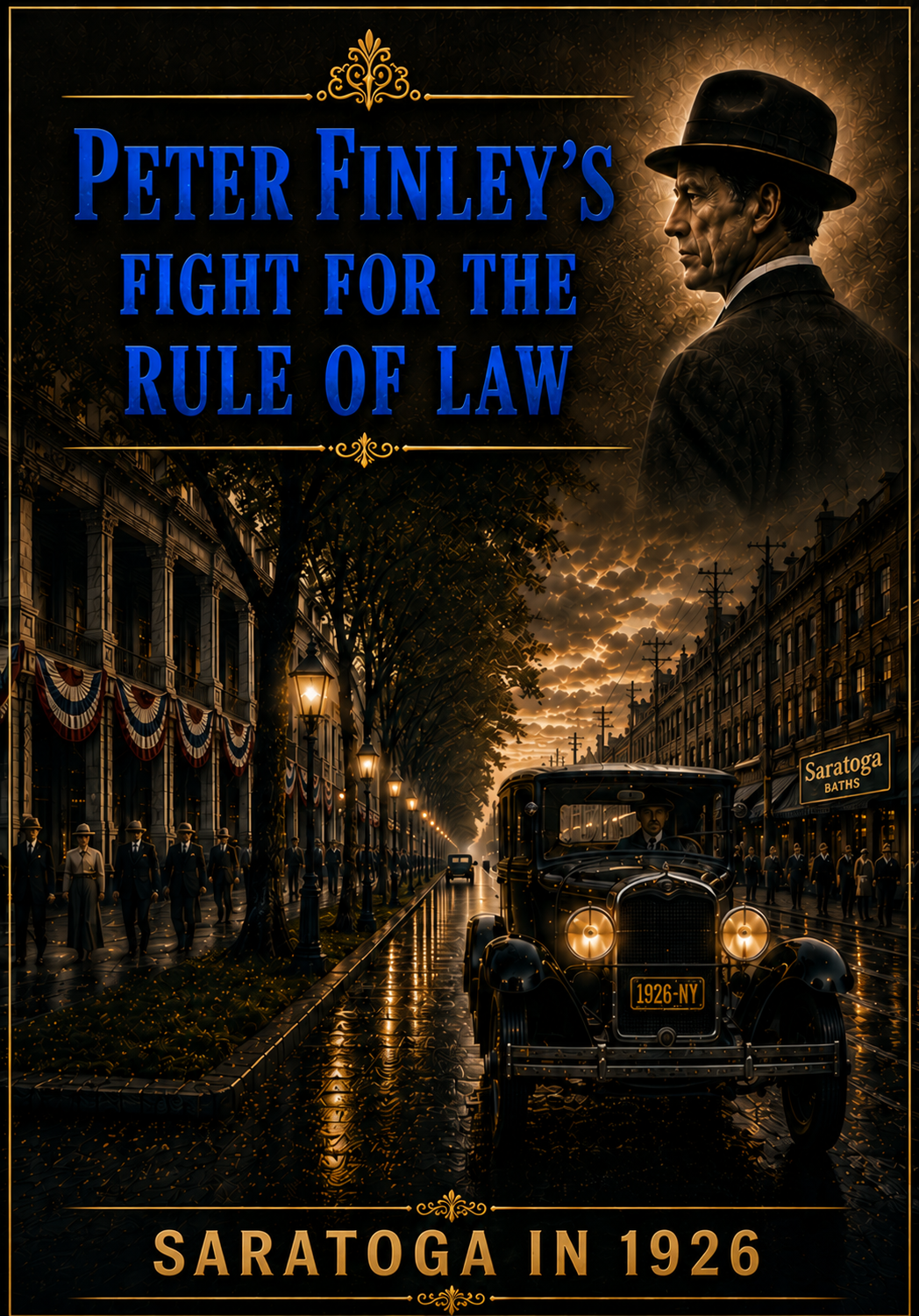
Dan has been collaborating with Greg in applying AI tools to expand a compelling chapter of A Gangster's Paradise, recreating the summer of 1926 when Peter Finley, President of the Saratoga Taxpayers Association, challenged the political machine that dominated city government and protected widespread gambling and corruption.
Drawing on contemporary newspapers and expert interpretation, the series will bring to life the investigations, hearings, political battles, and larger-than-life characters that shaped one of the most consequential chapters in Saratoga history. The series opens on June 21, 1926 with this post on Western Union’s major upgrade of its Saratoga operations.
The project serves as a powerful example of what the Civic Conversations initiative aims to accomplish. A Torch Club presentation led to a deeper conversation. That conversation became part of a searchable knowledge archive. AI tools helped organize and connect hundreds of pages of source material. Historians continue to contribute expertise. The result is a richer and more accessible public history project than would have been practical only a few years ago.
Our Next Civic Conversation
As another example of this new approach, I am pleased to invite you to join us on Monday, June 29, at 7:00 p.m., for a Zoom-based Civic Conversation with Rachel Baum.
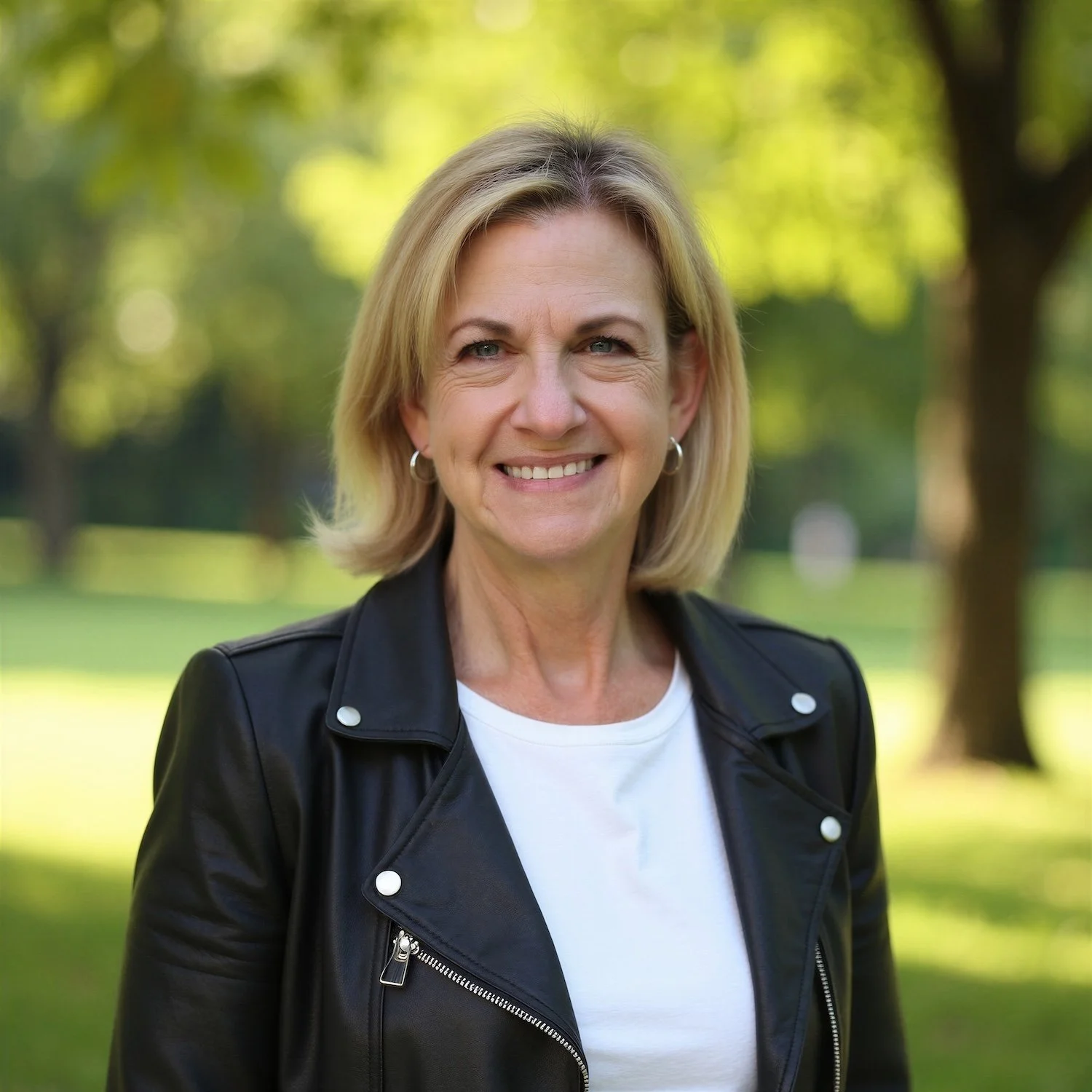
Rachel Baum
Rachel brings an unusually rich perspective to questions of creativity, community, information, advocacy, and public life. Her career has included leadership roles in higher education and library science, while her recent work as a poet has explored resilience, connection, and the human experience. See details here.
We believe this conversation will be a compelling discussion in its own right and a demonstration of how the Civic Conversations model can help preserve and share important ideas with a broader audience.
Looking Ahead
This summer we hope to host a number of additional Civic Conversations with historians, educators, public officials, nonprofit leaders, and other experts whose perspectives can help enrich our understanding of the issues facing our communities.
The world does not suffer from a shortage of opinions. It suffers from a shortage of informed, civil, and constructive conversation. For more than one hundred years, Torch Clubs have addressed that need by bringing thoughtful people together to learn from one another. Our collaboration with Torch International is an effort to explore how that mission can be strengthened in the twenty-first century.
By combining the Torch tradition of thoughtful inquiry with modern tools for preserving and sharing knowledge, we hope to make our conversations more accessible, more enduring, and more valuable to the communities we serve.The conversations themselves remain at the center of everything we do. The difference is that today, those conversations no longer have to end when the meeting adjourns.