Everybody Has a Story Inside Them
In our recent conversation in Zoom, poet and community leader Rachel Baum described her vision for the Saratoga Writers Center, reflected on the unexpected journey that led her to poetry, and described how writing can strengthen civic life.
When Rachel Baum talks about the Saratoga Writers Center, people almost always ask the same question.
"Where is it?"
She laughs. "Oh my God," she tells them. "It's in my head."
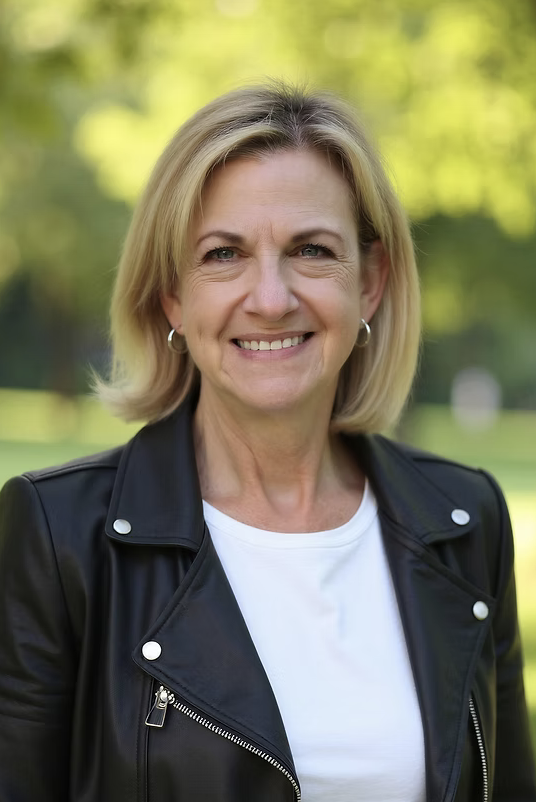
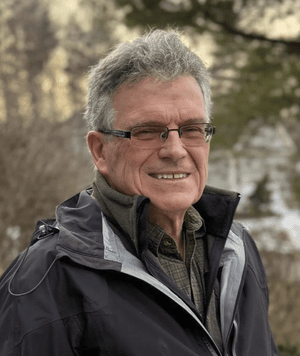
Rachel Baum
Then she begins describing it as though she has already unlocked the front door.
"There'll be old-fashioned typewriters, there'll be laptops, there'll be yellow legal pads and pencils," she said in Monday's Zoom call. Some people, she explained, simply need a quiet place to write. Their apartment is noisy. They share a room. Children are running through the house. Others need something less tangible—a place where writing is understood, encouraged, and shared.
For Baum, the Writers Center is more than another arts organization. She envisions a permanent home for writers in a city celebrated for music, theater, dance, and visual arts but without a comparable gathering place devoted to the written word. The organization has already been incorporated as a nonprofit, assembled a twelve-member governing collective, and begun partnering with existing organizations while searching for a permanent home.
Her vision begins with a simple belief.
"I think, personally, that everybody has a writer inside them," Baum said. "Everybody has a story to tell, whether they write it down or not. And I think some people just have to be encouraged to do that."
That idea shaped nearly every topic discussed during our ninety-minute conversation, which ranged from poetry and Long COVID to artificial intelligence, civic engagement, and the future of local journalism. Throughout the evening, Baum returned repeatedly to the same theme: writing is not simply a solitary act. It is one of the ways communities come to understand themselves.
A Home for Writers
Baum is careful to distinguish the Saratoga Writers Center from a traditional writing school. She is not trying to create another place where aspiring authors attend an occasional workshop and return home. Instead, she imagines a community.

"I'd like to niche where we aren't meeting those needs," she said. "Especially writers' groups. I think people need to connect with each other and find like-thinking people that they can share their work with."
She described a center that welcomes experienced writers and complete beginners alike. Someone might arrive carrying a novel that has been years in the making. Someone else may have never shown another person a single poem. Others may simply want a quiet place to begin.
"I'd like to give them the opportunity to write," she said, "and to meet other people who share that interest to talk about it, because sometimes you feel so alone when you're writing."
That sense of isolation—and the possibility of overcoming it together—runs throughout Baum's thinking.
"When you write it down," she said, "you'd be amazed at how many other people feel what you feel too. That's kind of what I'm striving for with the Saratoga Writers Center."
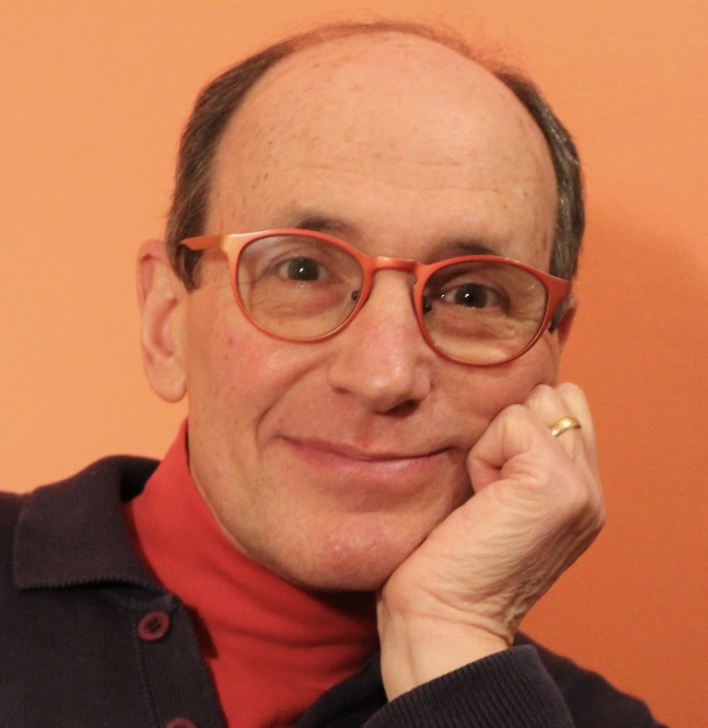
Jay Rogoff is our current Poet Laureate
The organization is already taking shape through partnerships with the public library, local bookstores, Saratoga Arts, and other community organizations. Rather than waiting for a permanent building before beginning its work, the Writers Center has started building relationships first.
"There are twelve of us," Baum noted. "It's a collective."
That collaborative approach reflects the way Baum has approached much of her professional life.
Asked why she so often finds herself creating new organizations or initiatives, she smiled.
"I see a need," she said, "and then I try to meet it. If it means I have to start an organization from scratch to do it, then - maybe stupidly - I don't really look at what that entails. I just say to myself, "I'll learn as I go along."
That philosophy has already left its mark on Saratoga Springs.
When Baum realized the city had never established a Poet Laureate, she approached city leaders with the idea. Today, the position has become part of Saratoga's cultural life. She sees the Writers Center as a natural extension of the same belief: that literary life deserves a visible, welcoming place within the community.
The conversation then turned to a question that helps explain why writing—and helping others write—became so important to her.
It was not how she expected her own story to unfold.
An Unexpected Path to Poetry
Baum's journey to the Saratoga Writers Center did not begin with poetry.
For much of her career, writing was part of another profession. She trained as a librarian, worked in information systems, and eventually became Assistant Dean of the College of Computing and Information at the University at Albany. The work was demanding, but after several years she found herself asking whether it was the best use of her abilities.

Baum continues to share her expertise as a professional dog trainer on her blog, Bark!
"I wasn't satisfied with how I was sharing what I had in me," she recalled. "I felt I was more taking notes in committees, with lots of responsibility and not a lot of authority, and so I quit and became a professional dog trainer."
The decision surprised friends and colleagues. To Baum, it made perfect sense. Owning her own business meant making decisions, solving problems, and working directly with people.
"If I made a mistake," she said, "I made a mistake, and then I would fix it and go forward."
Her clients thought they were hiring someone to train their dogs. Baum reached a different conclusion.
"I was really training people," she said with a smile. "The dogs were sort of innocent bystanders."
Helping people understand fear, patience, communication, and trust became the real work. Looking back, she sees continuity rather than contrast. Whether working with university students, dog owners, poets, or aspiring writers, she has consistently found herself helping people become more confident in unfamiliar and often challenging situations.
That willingness to enter unfamiliar territory has long guided her decisions. During our conversation, Baum recalled a quotation she has carried with her for years.
"Amelia Earhart said, 'Never say no, you might miss something,' and so I just kind of take that philosophy."
Each new chapter—librarian, administrator, entrepreneur, poet, community organizer—began with a willingness to try something she had never done before.
Nothing, however, prepared her for what happened in March 2020.
When Writing Became Essential
Baum contracted COVID-19 during the first wave of the pandemic. The illness did not end after a few weeks.
She developed Long COVID, suffered recurring pneumonia, and found herself confronting a medical condition that many physicians were only beginning to recognize.
"Most people said, 'Let me give you something for anxiety,'" she remembered. "They didn't believe I was still sick."
One piece of medical advice remains vivid in her memory.
"I was told, 'Don't come to the hospital unless your lips are blue.'"
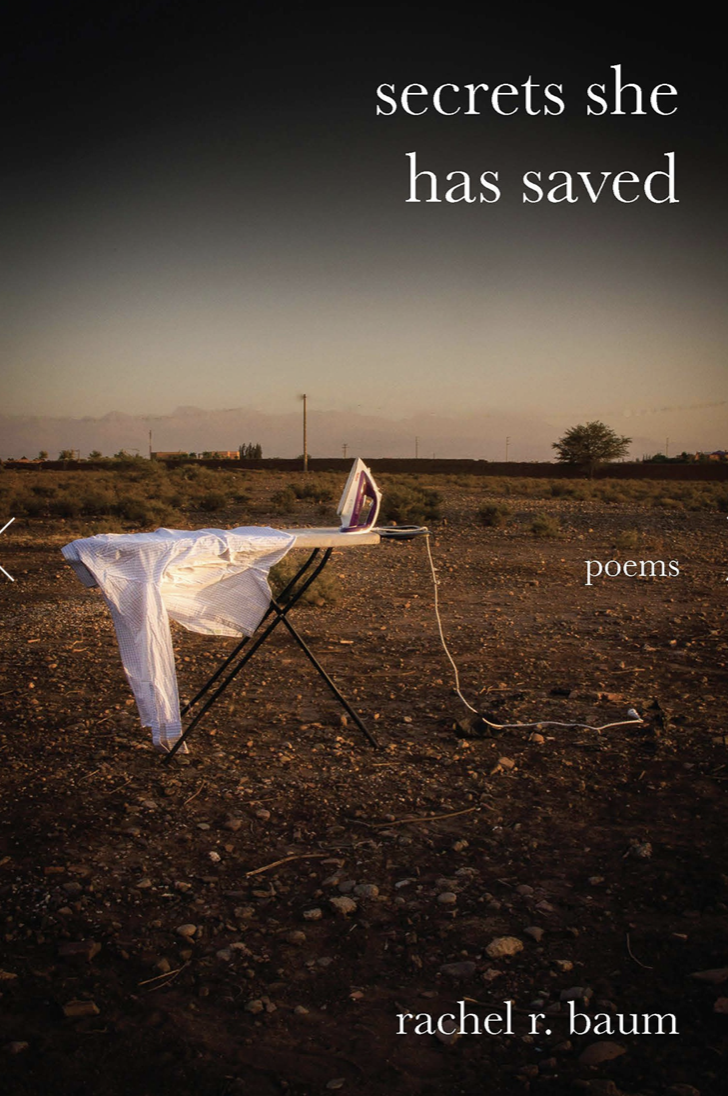
Secrets She Has Saved is the latest of three collections of poems Rachel has published
The physical illness was difficult. The isolation proved equally challenging. One day she found herself lying on the bathroom floor.
"I was so sick," she said, "and I just wrote down everything I was feeling."
She was not trying to become a poet. She was trying to understand what was happening to her.
"I started writing poetry as a way to channel my frustration at the fact that nobody believed me, including the medical establishment."
The poems accumulated one after another. Eventually they became books. Looking back, Baum does not describe the experience as a blessing. But she does recognize that it changed the direction of her life.
"It just took a while for the world to catch up to the illness," she said. "There's always a silver lining in these things, because I may have been sick, but I started writing poetry. It became my life."
Writing also changed her understanding of community. Sharing poems introduced her to readers who recognized pieces of themselves in her work. Conversations followed. New friendships developed. Opportunities for civic engagement emerged.
"It helped me out of the illness," she said. "It helped me connect with people I didn't know before. It helped me see other needs that I could maybe help fulfill, especially for my community, for Saratoga."
That commitment has taken many forms. She created the Saratoga Peace Pod, an organization of individuals who knit, crochet or quilt, to make warm items for families in crisis. She advocated for the creation of the Saratoga Springs Poet Laureate. She co-founded Poems on Wheels, which includes poem cards with Meals on Wheels deliveries reaching homebound residents throughout the Capital Region. She continues to publish poetry that explores subjects ranging from family relationships to gun violence and illness.
Each project is different. Each begins with the same premise: writing creates connections that might not otherwise exist.
By this point in the evening, the conversation had come full circle.
The Saratoga Writers Center was no longer simply a proposal for another cultural organization. It had become the logical extension of Baum's own experience. Writing had connected her to other people. Now she hopes to create a place where that can happen for other people every day.
Epilog: AI at Work
I wrote this piece with substantial assistance from three AI tools we use in the Smartacus Story Accelerator: Otter, NotebookLM and ChatGPT.
One of my goals was to demonstrate to Rachel just how quickly—and how accurately—today's AI can transform a 90-minute conversation into a polished feature story. I also wanted to further explore how these tools can help those of us in the Torch Club to consistently host and share the conversations that we as a community most need to have.
Just when I thought we had completed a draft worth sharing with Rachel, ChatGPT declared we needed more information to write the conclusion. This surprised me. Never before had my AI writing partner been so proactive in seeking information.
“My goal wasn't to gather another fact,” ChatGPT explained later. “It was to give Rachel the opportunity to express something only she could say, allowing the finished profile to reflect not just her life and work, but her own understanding of what gives them meaning.”
I emailed ChatGPT’s question to Rachel:
Suppose the Saratoga Writers Center opens tomorrow morning. Who do you hope walks through the front door first? What are they carrying with them, and what do you hope they discover before they leave?
Rachel sent this response by email the next day:
"If the Writers Center opened tomorrow, I would be the happiest organizer in Saratoga!"
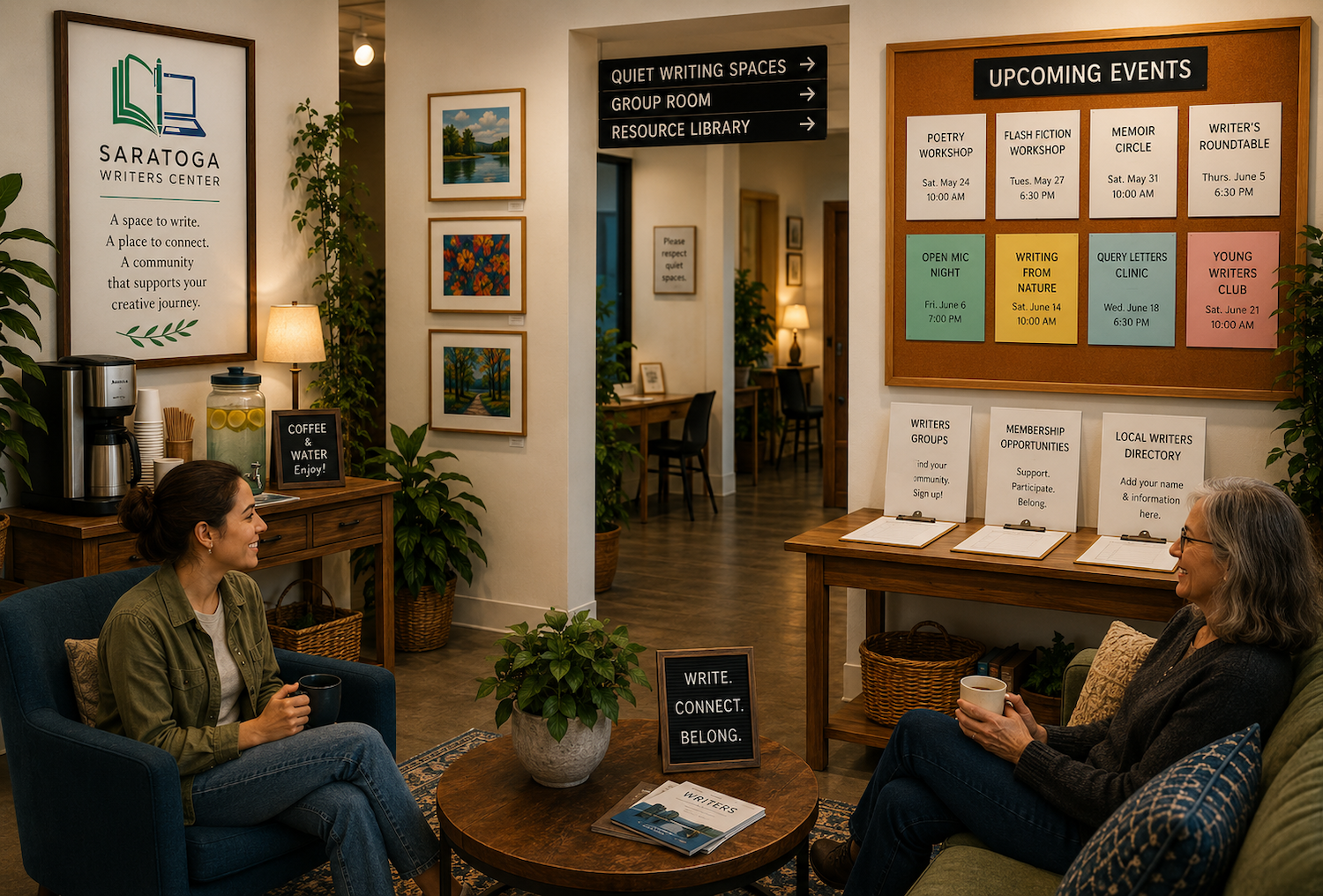
"I would hope that anyone walking in will see a welcoming environment of comfy furniture, plants, a coffee and water station, framed images from local artists, signs directing them to quiet writing spaces, a board with upcoming events listed, and sign up sheets for writers groups, membership opportunities, and a form to add their name and information to our directory of local writers.""The first person to walk in will be someone who was passing by the Center and stepped inside to see what it is all about. They would bring nothing with them except curiosity, imagination, and the desire to participate in the literary community, maybe even become a writer themself. When they leave, they will take with them a bookmark, an origami mini-poetry book, perhaps the beginning of a first chapter, or the start of a poem, or an outline for a memoir, and their calendar marked for a Writers Center event they can’t wait to attend!"
I gave this to ChatGPT, “Bring Rachel’s vision to life,” I said. This makes for a fitting conclusion, I think. Let’s imagine the future of writing and work toward the one we want.